Intercom Systems Newstead
The question an intercom has to answer is simple: who is at which door, and where does that call go?
since
Monitoring
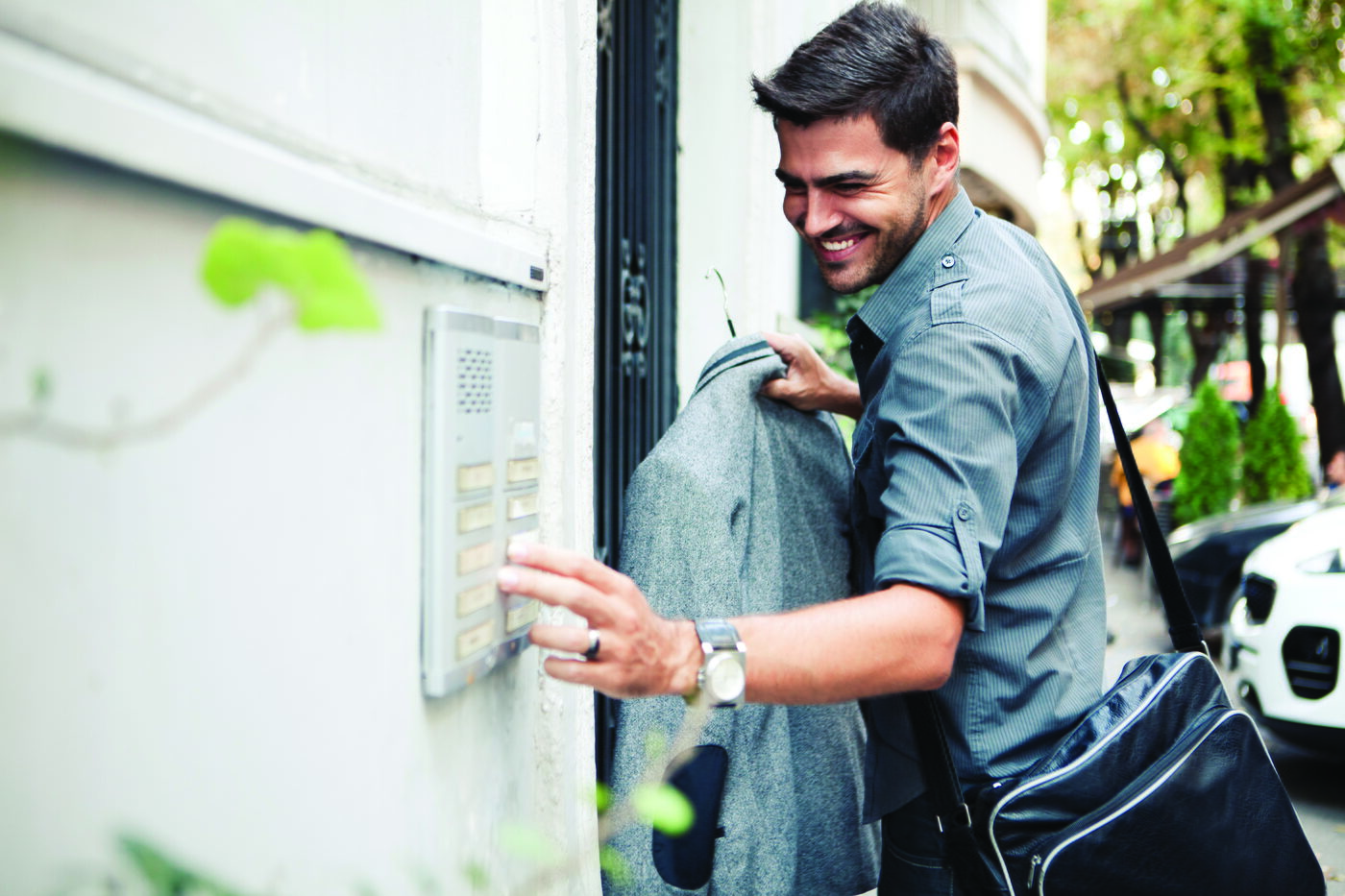
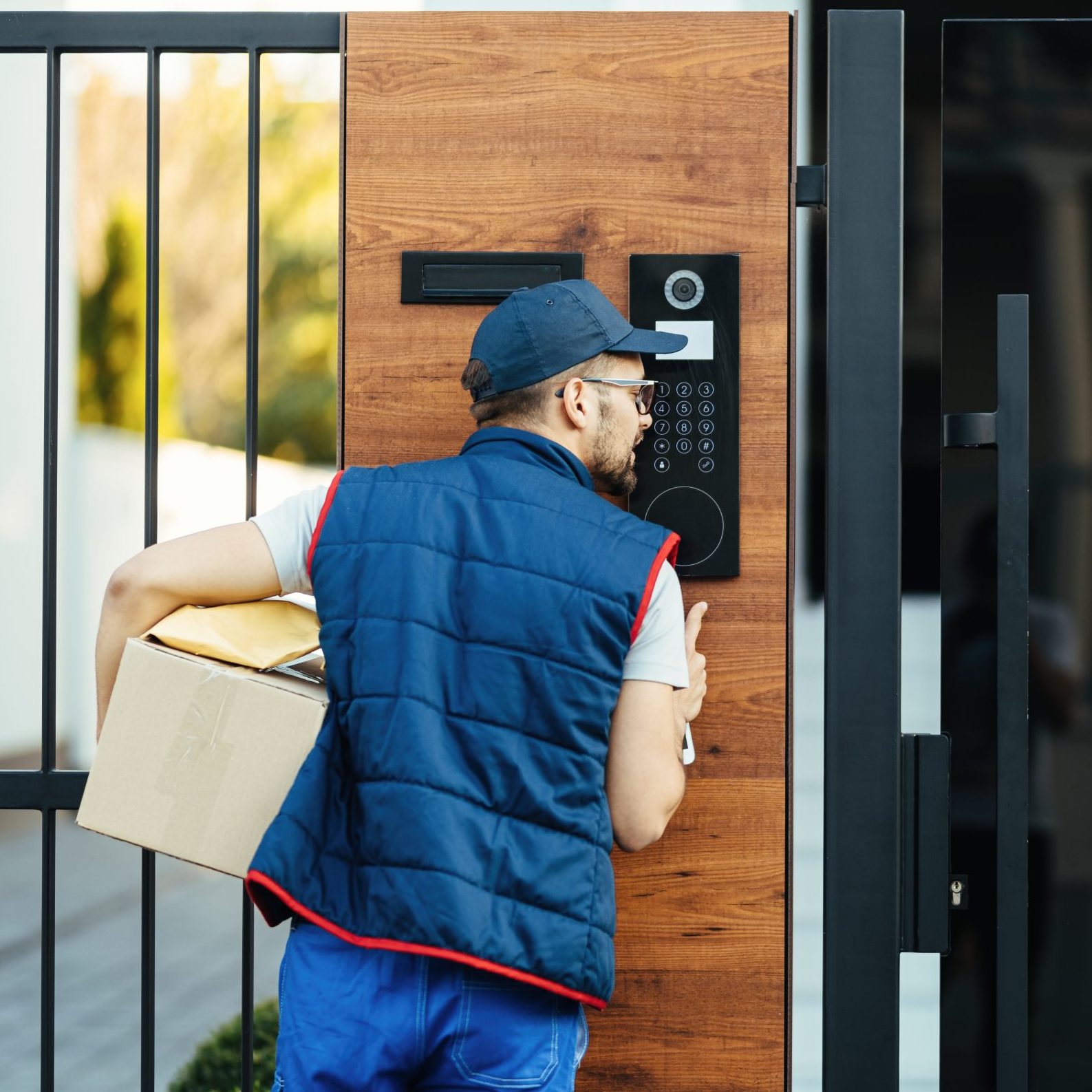
Newstead buildings tend to have more than one way in. There is a street door under the retail awning, a basement roller door off the side lane, sometimes a loading entry, and a separate panel for the commercial tenancies at podium level. Each of those is a point where somebody stands and waits, and the intercom is what decides whether they get in. When the call lands on a handset in an empty apartment or an unattended reception, the system stops making a decision and the door starts getting propped instead.
We design and install intercom systems Newstead buildings can actually answer: door stations at every entry that needs one, video so the person answering can see who is there, calls routed to a phone rather than only to a fixed handset, and door releases tied into access control so there is a record of who was let in. We also replace old audio-only handset systems in buildings where half the units no longer ring.
Why Intercom Systems Matter in Newstead
Several entries, and each one needs its own answer
A Newstead building with ground-floor retail under residential levels usually has a street entry, a basement vehicle entry and a loading or service door. Visitors turn up at whichever one they found first. If only the front door has a station, everyone who arrives at the basement or the service entry has to telephone someone, wait, or follow a car in. Putting a station at each real entry is less about convenience than about removing the reasons people invent workarounds.
Couriers and food deliveries now arrive constantly
Between parcel couriers, grocery drops and food delivery riders, a residential or mixed-use building takes deliveries all day and well into the evening. Each one is a stranger who needs to reach a door for ninety seconds. A system that cannot verify them quickly pushes residents into buzzing people in blind, and pushes couriers into trying the next button along until somebody releases the door.
Nobody is behind the door for most of the day
Apartments are empty between nine and five, and a small commercial tenancy upstairs may have no reception at all. A call that only rings a device inside the premises rings into an empty room. Routing calls to a mobile, or to a second nominated number, is what lets a resident at work or a manager on site verify a visitor instead of missing the call and dealing with a failed delivery later.
Door stations live outdoors and get handled by everyone
A station at a street entry takes afternoon sun, driving rain off the river, and the hands of every visitor to the building. Basement stations sit in exhaust, dust and damp. Flush mounting, a weather hood, a vandal-resistant faceplate and sensible cable entry are what decide whether the panel still works in five years, and they add very little at install compared with replacing a corroded station later.
Since 2006
Why Newstead Buildings Choose Access Alarms for Intercoms
Intercoms get judged on one thing: whether the call reaches someone who can decide. Most of the systems we are asked to fix were installed correctly and then outlived the way the building is used — a handset system in a building where residents answer their phones, a single front-door station in a building that now takes most of its traffic through the basement, or a directory panel engraved when the tenancies were different. We spend the first visit on where calls should land rather than on hardware, then specify stations, cabling and routing to suit that. Our base at Eagle Farm is minutes away along the river, which matters for a device that fails in a way everyone notices immediately.
- At which entries can a visitor currently call someone, and at which ones do they have to telephone or wait?
- When a call comes in, can the person answering see the visitor, or only hear them?
- Between nine and five, where does a call to your unit or tenancy actually ring?
- If a door was released at 10pm on a Tuesday, could anyone find out which station it came from?
We install intercoms as part of a single plan with access control and cameras where that is wanted, so a release is logged rather than anonymous. Before you replace anything, work through these: We handle the stations, wiring, routing and integration with locks and access control. Who pays for an entry on common property, and whether the landlord or the tenant owns a particular door, is a matter for your lease or your body corporate, and we will ask the question early rather than after the install.
Common Intercom Problems We Solve in Newstead
Couriers press every button on the panel until somebody opens the door
Why it happens
The directory is out of date, the unit or tenancy the delivery is for does not answer, and the courier has another twenty drops. Pressing buttons in sequence works, because in any building with enough occupants one of them will release the door without asking. The behaviour is rational for the courier and invisible to everyone else.
Why it matters
Every door release granted without verification undoes the entry control the building paid for. Once inside, a visitor has the lobby, the lift, the corridors and the basement, and the building has no record of who let them in or why. Residents become conditioned to opening the door for unidentified callers, which is the habit that makes tailgating and parcel theft routine.
What we do
We fit video stations so the person answering sees the courier and the parcel before deciding, keep the directory current and clearly structured, and where appropriate set up a delivery-specific arrangement — a nominated call point, a timed release to a parcel area, or a managed call to a daytime contact — so couriers have a path that does not involve guessing.
An old audio handset tells you somebody is there but nothing about who
Why it happens
Audio-only systems were standard when many of these buildings were wired, and they still work well enough that replacing them never reaches the top of a list. A crackly handset and a release button is what residents and staff have always had, so it sets expectations rather than prompting complaints.
Why it matters
Voice alone is not identification. A caller can say they are a courier, a plumber or a neighbour's visitor, and the person answering has no way to check. Buildings with audio-only stations see more doors released to people nobody could describe afterwards, and no footage of the entry exists because the station has no camera and no connection to anything that records.
What we do
We replace or supplement the station with video, reusing existing cabling where it will carry the signal and telling you honestly when it will not. Where the handsets are sound and the budget is tight, we upgrade the entry station and the routing first so at least the decision point improves, and stage the in-unit or in-tenancy devices afterwards.
A driver is at the basement gate and there is no way to check who they are
Why it happens
Vehicle entries get built around the roller door, the ramp and the traffic, and the intercom is an afterthought on a pole at the wrong height for a truck cab. Residents and tenants are given remotes or codes, and anyone without one is expected to telephone. Nobody plans for the delivery driver, removalist or trade who arrives without either.
Why it matters
A vehicle entry is the widest opening in the building and leads straight to storage cages, parked cars and often an unlocked lift lobby. When drivers cannot be verified they get waved in by whoever happens to be there, or the roller door is left up while a job is in progress. A single open vehicle entry undoes every controlled door above it.
What we do
We install a station at the ramp positioned for both car and truck window heights, with video framed on the driver rather than the vehicle, and route the call to a contact who is actually reachable during delivery hours. The release can be tied to the access control system so the entry is logged, and to a camera view so the vehicle and the driver are both recorded.
Doors are released dozens of times a day and none of it is recorded
Why it happens
A classic intercom is a bell and a switch. The release is a momentary contact wired to the strike, with no controller behind it and nothing to write to. Because the system was specified to let people in, nobody asked it to remember anything, and most buildings never notice the gap until they need it.
Why it matters
After an incident the building can show footage of someone in the lobby but cannot show how they got there. There is no way to tell whether a door was released from a unit, from a tenancy, from the basement station or not at all, and no way to see a pattern of late-night releases from one point. The investigation stops at the door.
What we do
We bring intercom releases into the access control system so each one is logged with its station, its time and the device that answered, alongside card and fob events on the same doors. Paired with a camera on the entry, you get a release event and a matching image. Our guide to alarm systems during a cyclone also covers how exposed entry equipment behaves in serious weather.
What We Design, Install and Support for Newstead Intercoms
Video door stations
Street, basement and service entries fitted with weather-rated stations positioned for the people who actually use them.
Intercom systemsCalls to your phone
Routing so a call reaches a mobile or a nominated second number when nobody is behind the door.
Commercial intercomsHandset system replacement
Staged upgrades from audio-only panels, reusing cabling where it will carry the signal and replacing it where it will not.
Security system upgradesRelease logging and integration
Intercom releases recorded alongside card and fob events on the same doors, so an entry can be traced.
Access control systemsStation servicing
Testing, cleaning and repair for panels sitting in sun, rain and basement exhaust, before the whole building notices.
Security system servicingWork out where the calls should land first
Hardware choices are easy once the routing is decided. Tell us which entries exist, who needs to answer them and at what hours, and the specification follows from that.
We can walk the entries with you, including the ones nobody thinks of as a front door, and come back with a plan for each.
Commercial security specialist since 2006
We design, install, monitor and service commercial security across Brisbane, and we take over systems other companies installed.
Newstead Intercom Frequently Asked Questions
Can we answer the intercom from a phone instead of a handset?
Can an old audio handset system be replaced without rewiring the whole building?
Can intercom door releases be linked to our access control system?
Who pays for an intercom — the landlord, the body corporate or the tenant?
How do we keep the directory panel accurate as residents and tenants change?
Newstead Service Area
Access Alarms for Newstead
- Business
- Access Alarms QLD Pty Ltd
- Phone
- 1300 049 969
- info@accessalarms.com.au
- Office
- 2/789 Kingsford Smith Drive, Eagle Farm QLD 4009
- Hours
- Mon - Fri: 8:30am - 5:00pm
Explore More Intercom and Entry Control
Service areas

Request a Security Quote in Newstead
Tell us about your property in Newstead and we'll recommend the right system. Free quote, no obligation.