Retail Security Systems Brisbane
Two clocks, two different jobs: theft while you trade, break-ins after you lock up
since
Monitoring
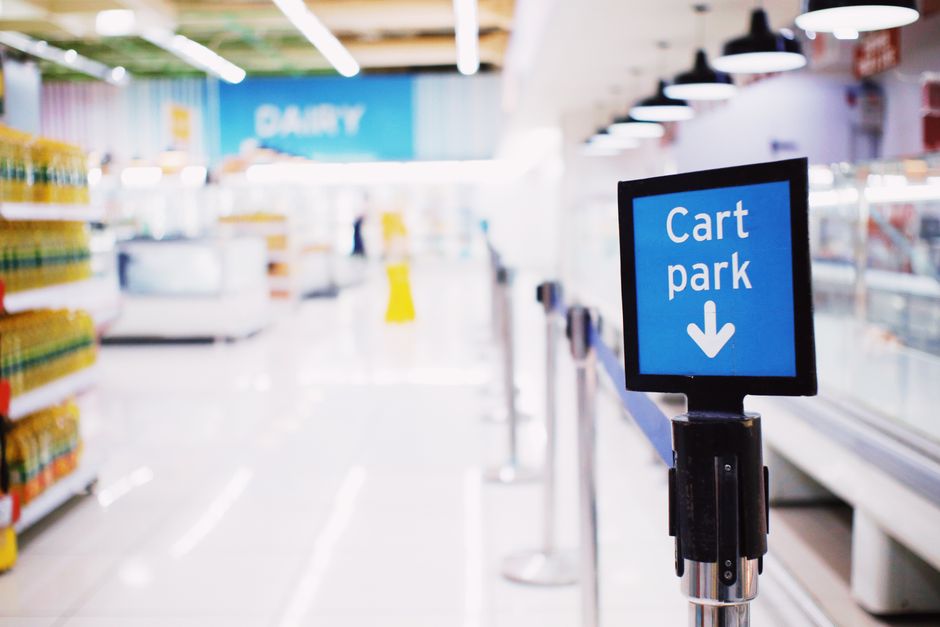

Access Alarms installs retail security systems for Brisbane shops, including alarm systems inside individual shopping-centre tenancies. A shop has to solve two problems at once. While you are trading, the risk is stock leaving past the till and out the door, which is why the point of sale is covered from more than one angle and entry and exit points are set up for clear facial and body footage. Once you lock up, glass-break sensors on the shopfront and after-hours motion alerts take over, backed by 24/7 monitoring. Both clocks are running on the same shopfront, so book a technician.
A shop runs on two clocks. Between opening and closing, loss walks in the front door: someone browses like any other customer, and stock leaves past the till and out the exit. Between closing and opening, nobody is inside, the loss arrives through the glass at the front, and the alarm and the monitoring centre are the only things still awake. Those two clocks need different answers, not one package with the labels changed. Queensland’s own crime figures say both are running. Across the state, recorded property offences fell 4.8% in 2024-25, yet shop stealing rose 2.6% to 39,200 offences and unlawful entry with intent to a shop rose 6.8% to 3,837. Retail also sits third on the list of places where offences are recorded in Queensland, with 123,921 recorded at retail locations, behind dwellings and streets or footpaths – though that category is broader than shops, because the Queensland Government Statistician’s Office glossary sweeps in hotels, licensed premises, restaurants, food shops, chemists, garages, post offices and shopping centres, so it should be read as retail and hospitality settings rather than shops alone.
Why Retail Security Systems Matter in Brisbane
Retail is the part of Queensland's crime picture that moved the wrong way. Recorded property offences across the state fell 4.8% in 2024-25, yet shop stealing rose 2.6% to 39,200 offences and unlawful entry with intent to a shop rose 6.8% to 3,837. Those two figures are the two clocks a shop runs on: one counts the hours you are open, the other starts when you lock the door.
Since 2006
Why Brisbane Businesses Choose Access Alarms
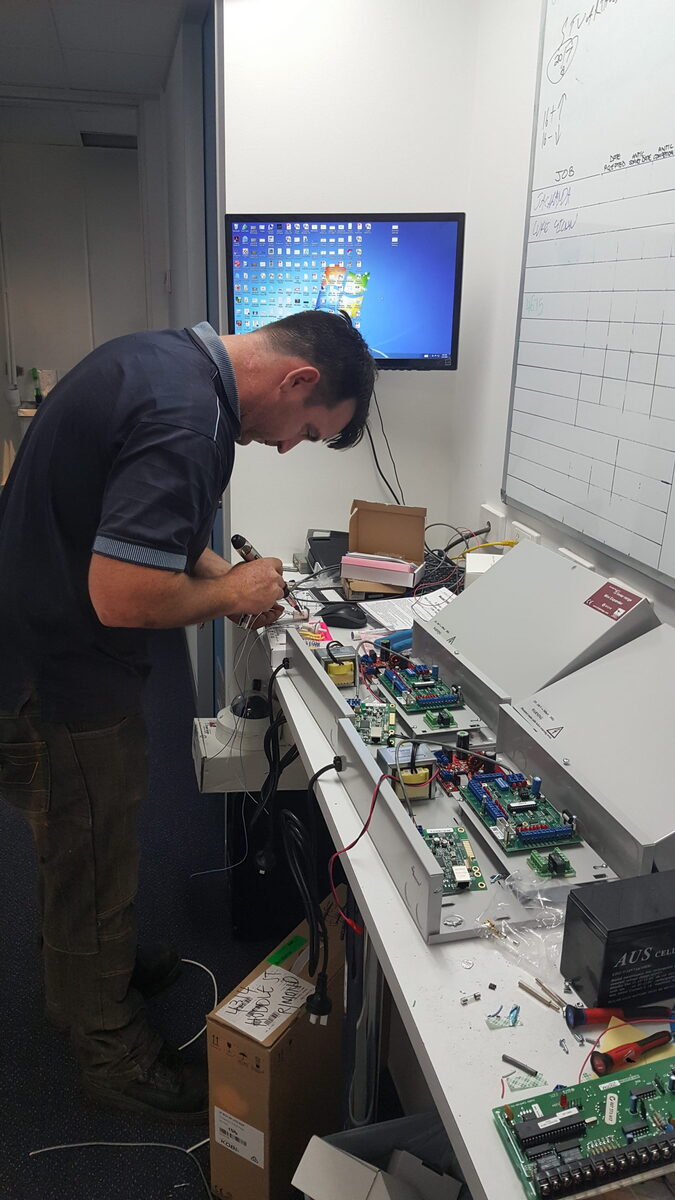
Access Alarms has traded since 2006 and works from an office at 2/789 Kingsford Smith Drive, Eagle Farm, so there is a real Brisbane base behind the quote rather than a suburb name on a map. Retail is one of six sectors the business names and treats separately, with its own page and its own technical argument rather than a warehouse system relabelled for shops. Alarm monitoring runs 24/7 through a monitoring centre, which counts for more in retail than in most sectors: the alarm activates when nobody is there and the stock is the business. Where a retailer has inherited a previous tenant's system, Access Alarms services, repairs and upgrades other companies' installations rather than requiring a full replacement. The business also describes itself as 'Licensed & Insured' and states it is 'Trusted by 100+ Businesses'; both are its own published statements, with no licence number and no sector breakdown, and both are being confirmed before publication.
Book a technician to walk the shop before anyone quotes numbers. If you are in a shopping-centre tenancy, have centre management's fit-out requirements to hand so they shape the design rather than interrupt it. Access Alarms works from Eagle Farm and monitors around the clock.
Visit Our Eagle Farm Office
Access Alarms
- Business
- Access Alarms QLD Pty Ltd
- Phone
- 1300 049 969
- info@accessalarms.com.au
- Office
- 2/789 Kingsford Smith Drive, Eagle Farm QLD 4009
- Hours
- Mon - Fri: 8:30am - 5:00pm
Common Security Problems We Solve
Stock goes missing during trading hours and the footage cannot tell you who took it.
Why it happens
A wide camera covering a sales floor is doing detection: it shows that something happened, not who did it. Identification is a separate camera purpose and has to be designed in at the points where a face is actually presented.
Why it matters
The exit door is where a shop theft is completed, and it is the one place a person reliably faces a camera. If nothing there is set up for identification, you end up with a recording of a hoodie and a shoulder.
What we do
Cameras are positioned to cover high-value displays, the registers and exit points, and specified for clear facial and body footage at entry and exit, with each camera given a defined job rather than a general view.
A till discrepancy only surfaces at stocktake, weeks after the day it happened.
Why it happens
The register is where cash, refunds and staff all meet, and a single camera angle over a counter is easy to stand outside of. By the time the numbers are reconciled, a standard retention cycle has usually overwritten the day in question.
Why it matters
Suspicion at a till is rarely about a break-in; it is about a transaction. Without footage that still exists, the retailer is left managing a person on a hunch.
What we do
Access Alarms treats the point-of-sale area as the highest-risk zone in a shop, covers the till from multiple angles, and can configure the system so that footage is preserved beyond the standard retention period where a retailer needs it.
"We can't set the alarm, we're open."
Why it happens
A single-zone alarm is all or nothing, so the stock room sits unarmed for every trading hour because the sales floor has customers in it.
Why it matters
Back of house is where a shop's real stock value sits and where the loss is quietest. A carton that never reaches the floor is never missed by a customer-facing camera.
What we do
Multi-zone alarm systems protect the sales floor, stock room and back office independently, and access control on the stock room keeps it staff-only using card readers, key fobs, pin codes or smartphone access.
Smash-and-grab through the shopfront after closing.
Why it happens
A shopfront is a wall of glass facing a public footpath, which is a different physical problem from a solid rear wall. Recorded shop break-ins rose across most of Brisbane in 2024-25, and over ten years the rate climbed in every Brisbane statistical area, not only the inner city.
Why it matters
If detection waits until an intruder is inside and moving, the response starts late. Detecting the glass rather than the person buys back the difference.
What we do
Glass-break sensors are fitted to shopfronts to pick up a smash-and-grab attempt before anyone gets inside, motion alerts flag unusual after-hours activity, and monitoring runs 24/7 through a monitoring centre.
Nobody on the fit-out is sure where a camera may point near the fitting rooms.
Why it happens
Reported summaries of section 227A of the Queensland Criminal Code describe an offence of observing or visually recording a person without consent in a private place or engaging in a private act, with a communal change room given as an example of a private place; the OAIC separately notes that the installation and use of CCTV is generally a matter of state law.
Why it matters
This is the one part of a shop's camera plan that sits in criminal law rather than in policy, so it is not a decision to take on an installer's assurance, and the primary legislation could not be read directly when this page was prepared.
What we do
Access Alarms covers the approach to fitting rooms, entry areas only, and never the interior of a change room; that is practice, not a rule for your shop, so take your own legal advice on placement. Customer and staff toilets should be treated the same way.
You take over a shop lease and inherit an alarm nobody has the codes for.
Why it happens
A new tenant almost always inherits the previous tenant's fit-out: a panel of unknown vintage, cameras of unknown age, and no record of who still holds a working credential.
Why it matters
For a retailer whose capital is tied up in stock, a full rip-out is the wrong first cheque. An inherited system that still has live fobs in circulation is also a back-of-house risk on day one.
What we do
Access Alarms takes over other companies' systems and in most cases can service, repair and upgrade what is already installed rather than starting over, including re-establishing who holds credentials on the stock room.
You are inside a shopping centre and do not know what centre management will allow.
Why it happens
A centre tenant cannot simply engage any installer on any design; centre management sets requirements for work inside a tenancy, and those requirements are not uniform between centres.
Why it matters
Requirements discovered after a quote is accepted turn into redesign and delay, and the tenancy is usually trading while the work happens.
What we do
Access Alarms installs alarm systems within individual tenancies that comply with shopping centre management requirements.
What We Design, Install and Support
Retail CCTV: POS, displays and exit coverage
HD camera systems with indoor, outdoor, dome, bullet and PTZ options, positioned to cover high-value displays, cash registers and exit points.
The till is covered from more than one angle, and that footage can be preserved beyond the standard retention period where a retailer needs it, because a register discrepancy usually surfaces at stocktake rather than on the day. Entry and exit points are specified for clear facial and body footage, which is the identification job AS 4806 separates from plain detection.
Retail camera coverageMulti-zone retail alarm systems
Alarm systems zoned so separate parts of the premises are protected independently.
Sales floor, stock room and back office arm separately, which is the practical answer to 'we can't set the alarm, we're open' - the stock room stays secured while the shop keeps trading.
Commercial alarmsShopfront glass-break and after-hours alerts
Glass-break detection on shopfront glazing, with motion alerts for activity outside trading hours.
A shopfront is a wall of glass on a public footpath, so the sensor goes on the glass to catch a smash-and-grab attempt before anyone is inside. Shop break-ins were recorded across every Brisbane statistical area in 2024-25, not only the inner city.
Commercial alarmsStock room access control
Card readers, key fobs, pin codes and smartphone access on doors that should not be open to everyone.
Back of house is where a shop's stock value sits and where loss is quietest. Access control keeps the stock room staff-only rather than open to whoever knows where the key lives.
Access control24/7 alarm monitoring
Alarm monitoring through a monitoring centre, around the clock.
A shop alarm almost always activates when nobody is on site, and for a retailer the stock on those shelves is the business, which is why the monitoring half of the system carries more weight here than the siren does.
Alarm monitoringAlarm systems for shopping-centre tenancies
Alarm systems installed within an individual tenancy.
Installations inside individual tenancies are made to comply with shopping centre management requirements. Requirements differ from centre to centre, so ask yours for their fit-out rules before a design is locked in.
Talk to us about your tenancyTaking over and upgrading an existing shop system
Service, repair and upgrade of security systems originally installed by other companies.
A new shopfront usually inherits the last tenant's fit-out. In most cases the existing system can be serviced, repaired and upgraded instead of replaced, so a retailer with capital tied up in stock does not have to start over.
Security system servicingCommercial security specialist since 2006
We design, install, monitor and service commercial security across Brisbane, and we take over systems other companies installed.
Need a security assessment for your commercial property? We'll recommend the right system.
Frequently Asked Questions
Does CCTV actually reduce stock theft?
Can you install in a shopping centre tenancy?
What happens after we close?
Where can cameras go near the fitting rooms?
Are shop break-ins mainly a Brisbane CBD problem?
We have taken over a shop that already has an alarm and cameras. Do we have to replace it?
Is there any government help with the cost of security for a small Queensland shop?
Do we have to tell customers they are being recorded?
Explore More Commercial Security
All commercial securityService areas
Protect Your Business
Get a security assessment for your commercial property. Free quote, no obligation.