Office Security Systems Spring Hill
A four-person consulting suite is not a smaller version of an office floor: the confidential material is concentrated, somebody is often alone at the end of the day, and the front door opens on nobody.
since
Monitoring
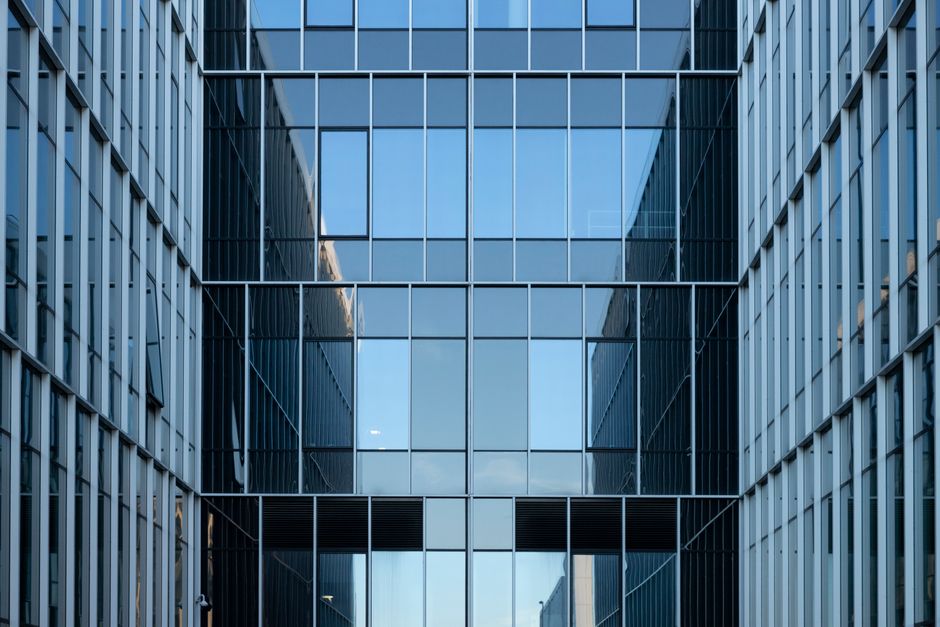
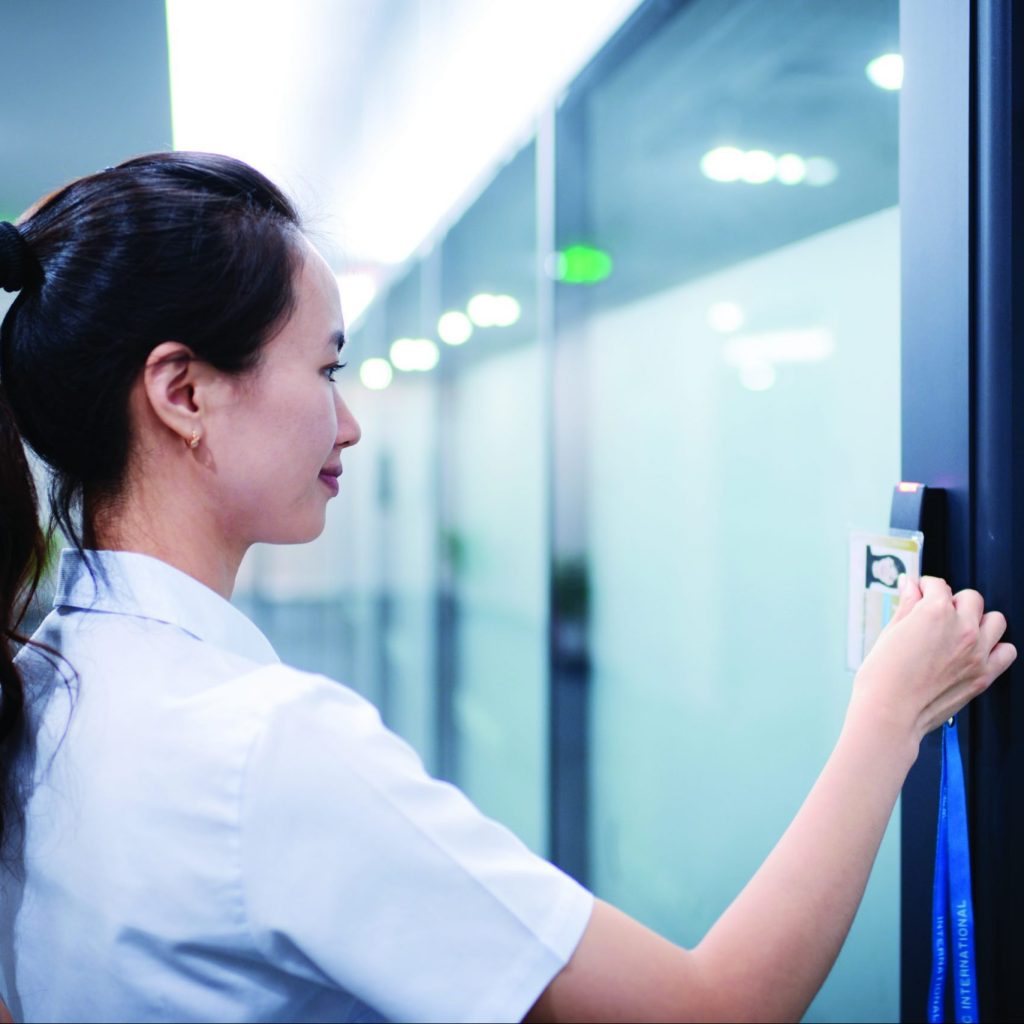
Office security systems Spring Hill suites need are shaped by what the suburb is full of — small practices, consulting rooms and professional offices in the streets around Wickham Terrace, most with a handful of staff and a records room or comms cupboard that matters more than everything else in the tenancy. The protection around that concentration is frequently a hollow-core door and a privacy latch, with a key cut for everyone because everyone occasionally needs something from it.
Access Alarms designs for the three facts that actually drive risk in a small suite: records in one or two rooms, a person on the premises alone after the last appointment, and arrivals at a door with no reception behind it. Our 24/7 monitoring centre takes the duress and alarm signals, and the response procedure is written with you and tested at handover rather than improvised on the night.
Why Office Security Works Differently in a Small Spring Hill Suite
Confidential records sit concentrated in one or two rooms
In a large organisation sensitive material is distributed and the controls around it are layered. In a small suite it is concentrated: a records room or compactus, a cupboard holding the server and the backup drive, a cabinet behind reception. Where a suite holds confidential client or patient records, the obligations about handling, access and retention are questions for the OAIC or your own adviser. The physical and access layer underneath whatever position you take is ours, and it should be zoned rather than uniform.
Somebody is alone in the riskiest half hour of the day
The last appointment leaves, the other staff have gone, the street door may still be unlocked and one person is finishing notes. If something goes wrong in that window, that person generally cannot reach a phone, cannot leave the room and cannot raise anyone in the building, because there is no one in the building. What is needed is a way to call for help without moving and without being seen to do it, which is a device decision and a procedure decision in equal measure.
Arrivals at a door with nobody behind it
Many suites here have no permanent reception. The door is shut, the practitioner is with someone, and whoever turns up — an expected client, a courier, somebody who has walked in off the street, a person who is upset — stands at a door nobody is watching. Leaving it unlocked solves the convenience problem and creates the security one; locking it does the reverse and strands your clients on the footpath. Both are avoidable with a door station and a call path that follows people.
File rooms and comms cupboards are managed as storage
The records room and the server cupboard are treated as back office, so the keys are shared, the doors are the cheapest in the tenancy, and in a converted building the cupboard holding your server may open off a landing shared with other tenants. Nothing records who went in, and nothing covers either room while the suite is occupied and the alarm is disarmed. Three inexpensive changes — a credential, a short access list and detection inside the room — fix most of it.
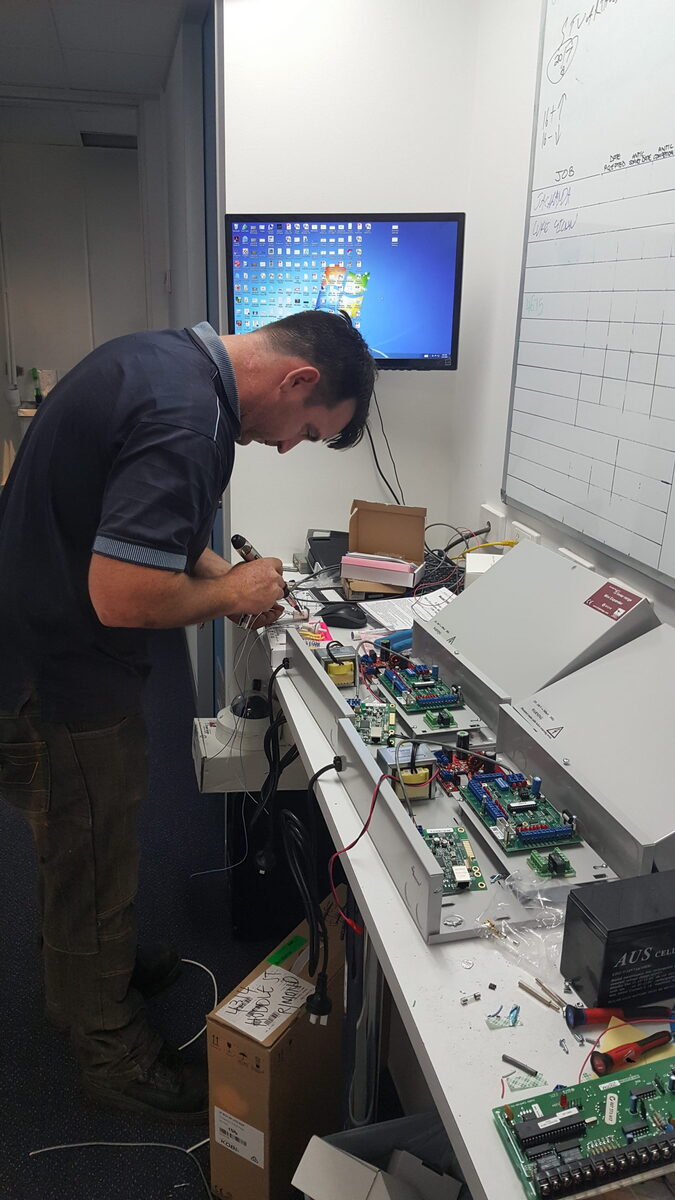
Since 2006
Why Spring Hill Suites Choose Access Alarms
We design small-suite security around people and records rather than around square metres. In practice that means zoning: an outer layer on the suite door and any secondary opening, and an inner layer on the short list of rooms that hold files, equipment, cash or originals, able to stay armed while the rest of the suite is working. Duress devices report silently to our 24/7 monitoring centre, which follows a procedure we write with you — who is called, in what order, what is asked, and when police are contacted — and then test before handover. We also insist that your organisation holds the administrator credentials for the alarm and access system, so adding and removing a staff member is a task your practice manager does in minutes rather than a callout.
- Could you name, today, every person who can open your records room?
- If the last person on the premises could not move or speak, what would they press?
- When a staff member left last, was anything cancelled — or was a key simply not returned?
- Who holds the administrator login for your alarm and door system: your practice, or somebody else?
We handle the devices, the zoning, the access list and the monitored response. Your own privacy obligations, employment arrangements and any question about records sit with the OAIC or with your own adviser.
Common Suite Security Problems We Solve in Spring Hill
Anyone in the building can open the records room and the comms cupboard
Why it happens
Both rooms are managed as storage. Keys get cut for convenience because staff occasionally need something from them, and in a converted building the cupboard holding the server often opens off a shared landing rather than off your own floor area.
Why it matters
The two rooms holding your files, your server and your backups end up behind the least controlled doors in the tenancy, and nothing records who went in or when. If something goes missing you cannot narrow the list, and if the cupboard is outside your leased area the list includes people you have never met.
What we do
A credential on each door with a deliberately short access list, and detection inside the room so it stays covered while the rest of the suite is open. Where the cupboard door is not yours to change, we secure the contents instead — a lockable cabinet, a door contact and a detector reporting to your panel — and you raise the door itself with the building owner.
A sole practitioner finishes notes at seven with no way to call for help
Why it happens
The last appointment ran late, everyone else has gone, and the only communication device is a phone across the room or in a bag. Nobody has ever counted that half hour as working alone, so nothing has been put in place for it.
Why it matters
In the one window where help is most needed there is no quiet way to summon it, and in a street that empties by six there is nobody outside to notice. Reaching for a phone in front of an agitated person can also escalate the situation rather than resolve it, which is why the method matters as much as the availability.
What we do
Fixed duress points where people actually sit or stand, plus a pendant or pocket transmitter for someone who moves between rooms. A press sends a silent signal to the monitoring centre — nothing sounds in the room — and the centre follows the response sequence agreed with you, documented at commissioning and tested before handover.
An unattended waiting area with the internal door propped open
Why it happens
There is no reception, consultations run back to back, and wedging the internal door open is how staff hear whoever arrives. It is a reasonable workaround for a real problem, which is why it persists.
Why it matters
An open internal door puts anyone who walks in within reach of desks, screens, files and the corridor leading to the records room, with no one watching and no record that they were there. It also means the suite cannot be partially armed during the day, so the rooms that most need cover are the ones left uncovered.
What we do
A video door station so an arrival can be seen and spoken to from wherever the staff member is, including from a phone mid-consultation, with the release logged. The call path is set to follow the people — handset, then phone, then a second device — with a defined behaviour when nobody answers, so the internal door can stay shut.
A departing staff member's key was never returned
Why it happens
Small teams hand keys over informally and rarely keep a register. In the last week of someone's notice a key is easy to overlook, and asking for it back feels awkward in a four-person office.
Why it matters
A key cannot be cancelled. The only genuine remedies are rekeying the suite or accepting that an uncontrolled key exists, and on a small budget the second quietly wins every time. Over a few years of normal turnover that becomes several keys in unknown hands, none of which will ever appear in any record.
What we do
Move the doors that matter onto credentials, so a departure becomes a deletion that takes a minute and leaves a dated record. We publish an operating guide for the ICT Protege WX platform that walks a practice manager through exactly those tasks, and we keep a current list of who holds what.
What We Design, Install and Support for Spring Hill Suites
Office security
Zoned alarm cover for a small suite, with records and equipment rooms able to stay armed during the day.
Office securityAccess control
Credentials on the suite door and the records room, with hours, a short access list and dated logs.
Commercial access controlIntercom systems
Video door stations with the call path following staff to a phone, and every release recorded.
Intercom systemsDuress and monitoring
Silent duress signalling to our 24/7 centre, on a response procedure written with you and tested.
Alarm monitoringRelocation and upgrades
Decommissioning, making good and reinstalling when a suite moves, or extending what is already fitted.
Security system upgradesIf anybody is ever on the premises alone, start there
Duress and a written response procedure are the least expensive things we fit and the only ones that protect a person rather than property. Everything else can be staged behind them.
We will walk your suite and give you a staged plan, in order, with what each stage does and does not cover.
Commercial security specialist since 2006
We design, install, monitor and service commercial security across Brisbane, and we take over systems other companies installed.
Spring Hill Office Security: Frequently Asked Questions
What should a small suite do first?
What actually happens when a duress point is pressed?
How do we restrict a records or server room?
Keys or credentials for a team of four?
Can the system come with us if the suite moves?
Spring Hill Service Area
Access Alarms for Spring Hill
- Business
- Access Alarms QLD Pty Ltd
- Phone
- 1300 049 969
- info@accessalarms.com.au
- Office
- 2/789 Kingsford Smith Drive, Eagle Farm QLD 4009
- Hours
- Mon - Fri: 8:30am - 5:00pm
Explore More Options for Professional Suites
Service areas
Request a Security Quote in Spring Hill
Tell us about your property in Spring Hill and we'll recommend the right system. Free quote, no obligation.