CCTV Newstead
A camera that records something is not the same as a camera that can tell you who it was.
since
Monitoring
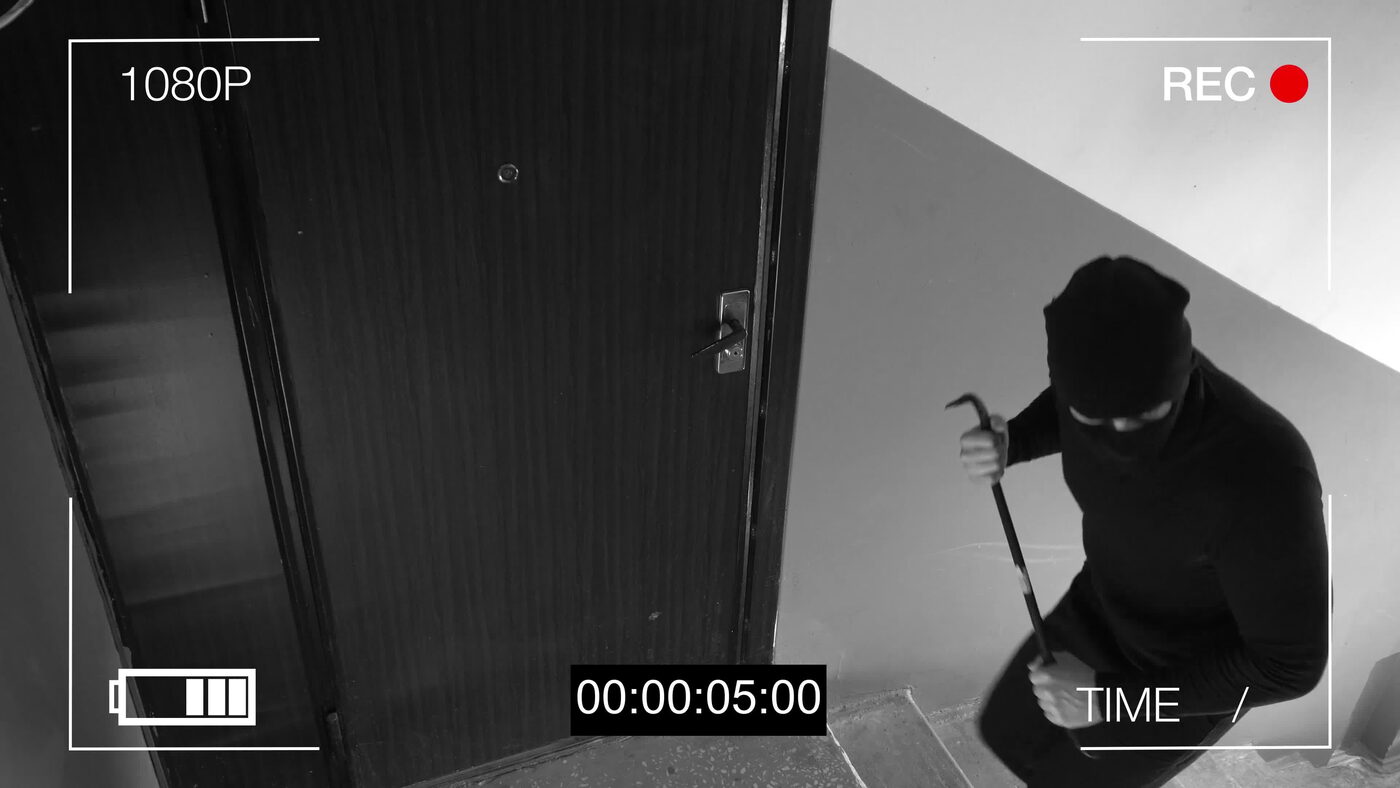
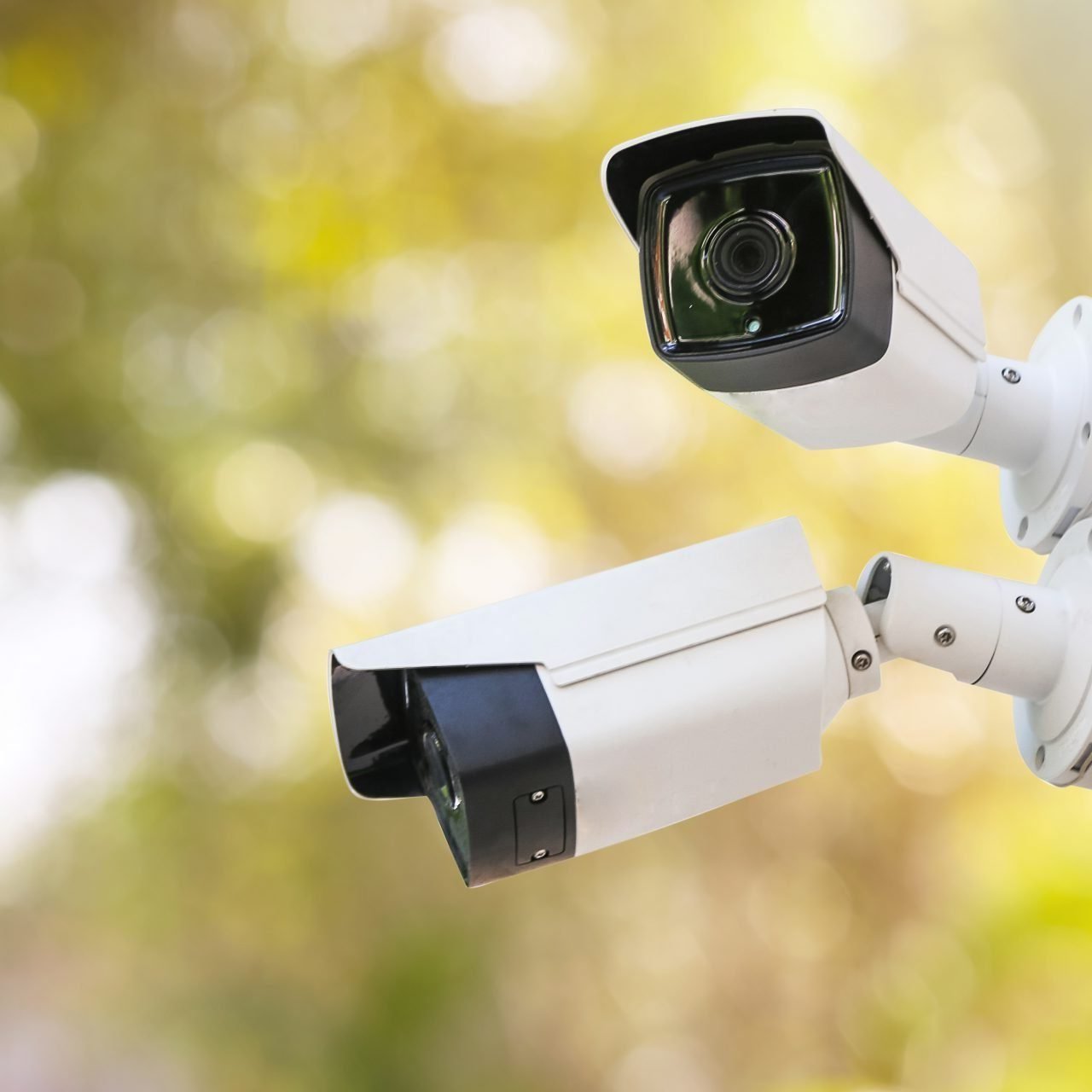
Most of what goes wrong at a Newstead premises happens in a shared space: a basement ramp, a car park aisle, a lift lobby, a loading area, a glass frontage facing the street. Those are the hardest places to film well. Vehicles move through them at speed, the light changes from bright river glare to dim concrete within a few metres, and the areas are often used by residents as well as by your staff and customers. Install CCTV in Newstead without accounting for that and you get hours of recording that shows a car, a shape and a time, which is not enough for an insurer, a body corporate or the police to act on.
Access Alarms plans camera coverage around the few views that would actually settle a question — the plate at the ramp, the face at your door, the counter, the store room — and then proves the footage can be exported before we call the job finished. Our technicians work out of Eagle Farm, a few minutes down the road from Newstead.
What Makes CCTV in Newstead Worth Getting Right
Basements and car park entries are the real entry points
In a Newstead building the street door is often the least interesting way in. The basement ramp carries vehicles, couriers, trades and anyone who times a roller door well. Filming it properly needs two different jobs done separately: a tight, low-mounted view where a plate is legible as a vehicle slows at the door, and a wider view of the aisle and lift lobby for movement on foot. One camera trying to do both does neither, which is why so many car park recordings show a car arriving and nothing identifiable afterwards.
Glass frontages and river light fight the camera
Showroom and office frontages near the river swing from hard morning glare to reflection to dark, and glass bounces both daylight and internal lighting straight back at a lens. The fix is usually position and exposure rather than resolution: mounting outside the glass line where the building allows it, choosing a sensor that handles wide dynamic range, and setting the view so the subject is lit rather than silhouetted.
Your cameras will see areas residents also use
In a mixed-use building the footpath, lobby, ramp and bin area are shared. A camera that protects your entry will almost certainly include some common property in frame, and in Queensland the handling of that footage sits under the Privacy Act 1988 and, for audio, the Invasion of Privacy Act 1971. The practical response is to narrow the field of view to what you can justify, agree the position with the building where it looks across common property, and keep footage access limited and recorded. Ask the OAIC or your own adviser about obligations specific to your business.
Footage is only useful if you can get it out
The moment that matters is the one where an insurer, a loss adjuster, a body corporate or an officer asks for a copy. If nobody has ever exported a clip, that is the day you discover the recorder needs a password no one has, or writes a proprietary file nothing will open, or only kept nine days when you assumed a month. We test the export path at handover with you watching, and write down where the footage lives, how long it is kept and who is allowed to retrieve it.
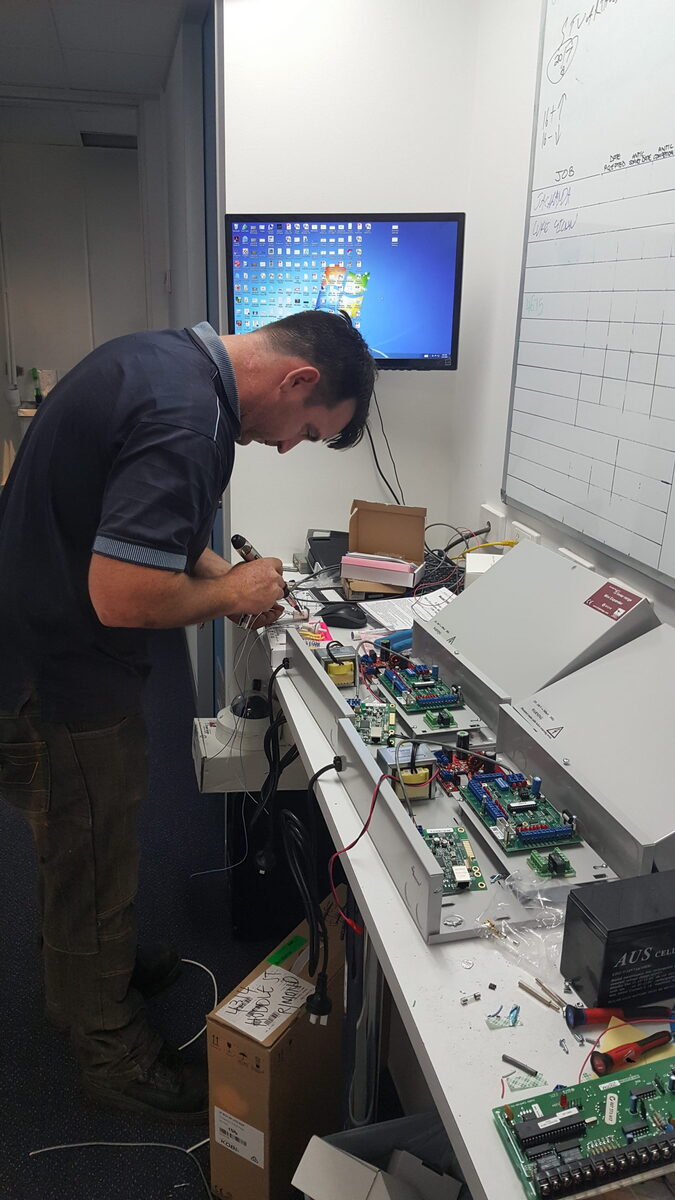
Since 2006
Why Newstead Businesses Choose Access Alarms for CCTV
Camera systems are easy to sell and easy to get wrong, because the fault only appears when you need the recording. We walk the site and ask what question each camera is there to answer, place it to answer that question, and then verify at handover that it does — by day and after dark, with the gates and lights in their normal state. Where a Newstead building limits what can be fixed to a facade or run through a riser, we design within those limits and say what it costs you in coverage. Our 24/7 monitoring centre and alarm work sit alongside the cameras, so detection and footage can be tied together instead of living in separate apps.
- Could you produce a legible number plate from your car park entry for a specific minute last Tuesday?
- Do you know how many days of footage your recorder currently holds, rather than how many it was set up to hold?
- Has anyone exported a clip and played it on a different computer since the system was installed?
- Do you know which of your cameras take in common property, and whether the building has agreed to those views?
Those are the questions we work through on a site visit. Camera placement, recorder health and retention are ours to fix; privacy obligations for your own business and agreements with the body corporate stay with you and your adviser.
Common CCTV Problems We Solve in Newstead
The car park camera shows a vehicle but never a plate or a face
Why it happens
One camera is mounted high in a corner to take in as much of the basement as possible. Spread across that width, a number plate occupies a handful of pixels, and headlights at the ramp blow out the exposure just as the vehicle is closest. The footage is technically fine; the detail was never there to capture.
Why it matters
Vehicle damage, theft from cars and tailgating into the basement are the incidents most likely to occur, and the ones you are most likely to be asked about by a resident, an insurer or the building manager. A recording that shows a dark hatchback at 11:42pm ends the conversation rather than advancing it, and the cost of the system has bought you nothing you can use.
What we do
We split the job. A dedicated camera low and close to the roller door or ramp, aimed where vehicles slow. Separate wider cameras for the aisles, the lift lobby door and your own basement entry. At handover we drive a car in and check the plate is actually readable in the recording, by day and at night.
A camera points across common property and nobody ever agreed to it
Why it happens
The easiest mounting point is often on a wall or soffit that belongs to the building, and the clearest view of your door happens to sweep a lobby, a residential entry or a neighbouring balcony. It gets installed because it works, without anyone raising it with the building manager or committee.
Why it matters
It turns a security measure into a dispute. Residents raise it at a meeting, the committee asks for the camera to be removed, and you lose the coverage entirely rather than negotiating it. You may also end up holding footage of people in their homes, which is a far heavier obligation than footage of your own doorway.
What we do
We identify at design stage which views cross common property, tighten or mask them to what is defensible, and give you a simple plan of camera positions and fields of view to put to the building. If a view cannot be agreed, we propose an alternative inside your own boundary. Questions about privacy obligations we point to the OAIC or your own adviser rather than guessing at them.
The recorder lives in a shared services cupboard
Why it happens
Tenancies are short on space, and a comms or services cupboard is cool, out of the way and already has power. In a strata building that cupboard is often common property, with a key held by the building, the cleaners, the lift contractor and whoever had it last.
Why it matters
The recorder is the whole system. Anyone who can reach it can unplug it, take the drive, or simply switch off the power board it shares with a vacuum cleaner. Cupboards like that also run hot and dusty, which shortens drive life, and the failure is silent — you find out weeks later when you go looking for footage that was never written.
What we do
We relocate the recorder inside your secured area wherever the cabling allows, in a lockable enclosure on its own supply, with the alarm covering the space it sits in. Where it genuinely has to stay in a shared cupboard, we secure the enclosure, restrict the key, and set up health alerts so a drive failure or a loss of recording is reported rather than discovered.
Nobody checked whether the system still records, or whether footage can be handed over
Why it happens
Cameras keep showing a live picture on the monitor long after the recording side has stopped — a failed drive, a full disk with overwrite misconfigured, a channel dropped after a power event. Nothing announces it. Inherited systems are worse again, because the previous installer's settings and logins came with no documentation.
Why it matters
You are running on an assumption. If the recording stopped in March, every incident since has no footage, including the one you will be asked about. And even when the footage exists, an export that produces a proprietary file nobody can open is not much better than no footage at all when a deadline is on it.
What we do
We inspect the recorder, confirm every channel is writing, check real retention against what you believe you have, and hand the administrator credentials to you in writing. Then we export a clip together and play it back on a normal computer. Older analogue equipment gets an honest assessment of whether it is worth keeping — our guide on analogue versus digital CCTV covers the trade-offs. Ongoing checks sit under security system servicing.
What We Design, Install and Support for CCTV in Newstead
Camera design and installation
Coverage planned view by view, with each camera there to answer a specific question about a specific area.
Commercial CCTVCar park and basement coverage
Plate-capable views at ramps and roller doors, plus wider cover for aisles, lobbies and your own entry.
CCTV systemsRecorder, storage and retention
Recording secured inside your area, with retention set to a figure you have actually confirmed.
System servicingCamera system upgrades
Replacing or extending an older system in stages, keeping cabling and equipment that still earns its place.
Security system upgradesCameras with alarm and monitoring
Detection and footage tied together, so an activation points you at the right camera and the right minute.
Alarm monitoringFind out what your cameras can actually show
We can review an existing Newstead system or design a new one. Either way you get a plan of camera positions, what each view is for, real retention figures, and a tested export.
Bring us the view you wish you had and we will tell you whether it is achievable from a position your building will approve.
Commercial security specialist since 2006
We design, install, monitor and service commercial security across Brisbane, and we take over systems other companies installed.
CCTV in Newstead: Frequently Asked Questions
How many cameras does a basement car park need?
Can we put cameras over areas residents use?
Should our cameras record audio?
How long should we keep footage?
How do we tell whether an inherited camera system is still recording?
Newstead Service Area
Access Alarms for Newstead
- Business
- Access Alarms QLD Pty Ltd
- Phone
- 1300 049 969
- info@accessalarms.com.au
- Office
- 2/789 Kingsford Smith Drive, Eagle Farm QLD 4009
- Hours
- Mon - Fri: 8:30am - 5:00pm
Explore More CCTV and Camera Resources
Service areas
Request a Security Quote in Newstead
Tell us about your property in Newstead and we'll recommend the right system. Free quote, no obligation.