CCTV Spring Hill
A camera that records is not the same thing as a camera that answers a question, and on a small premises the difference is decided by where the camera could physically be mounted.
since
Monitoring
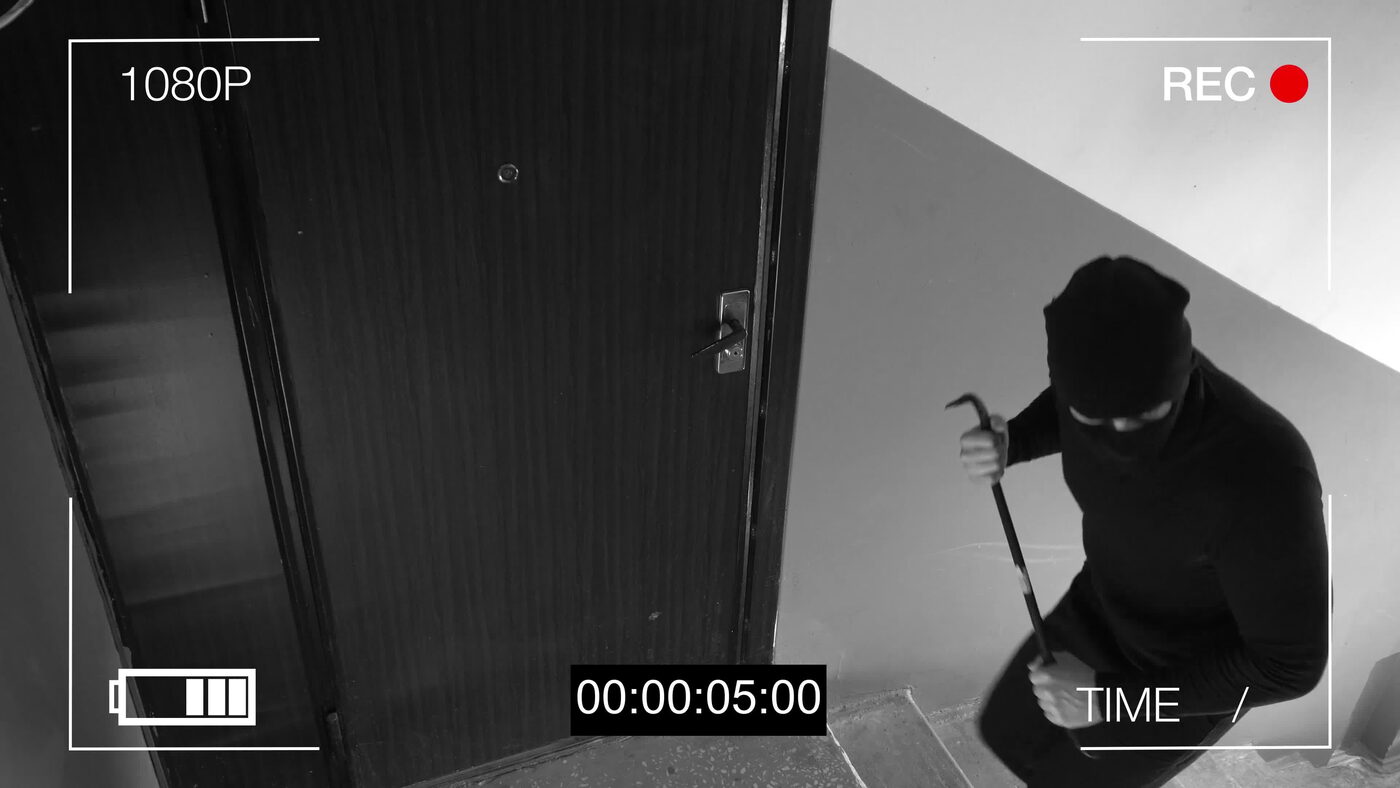
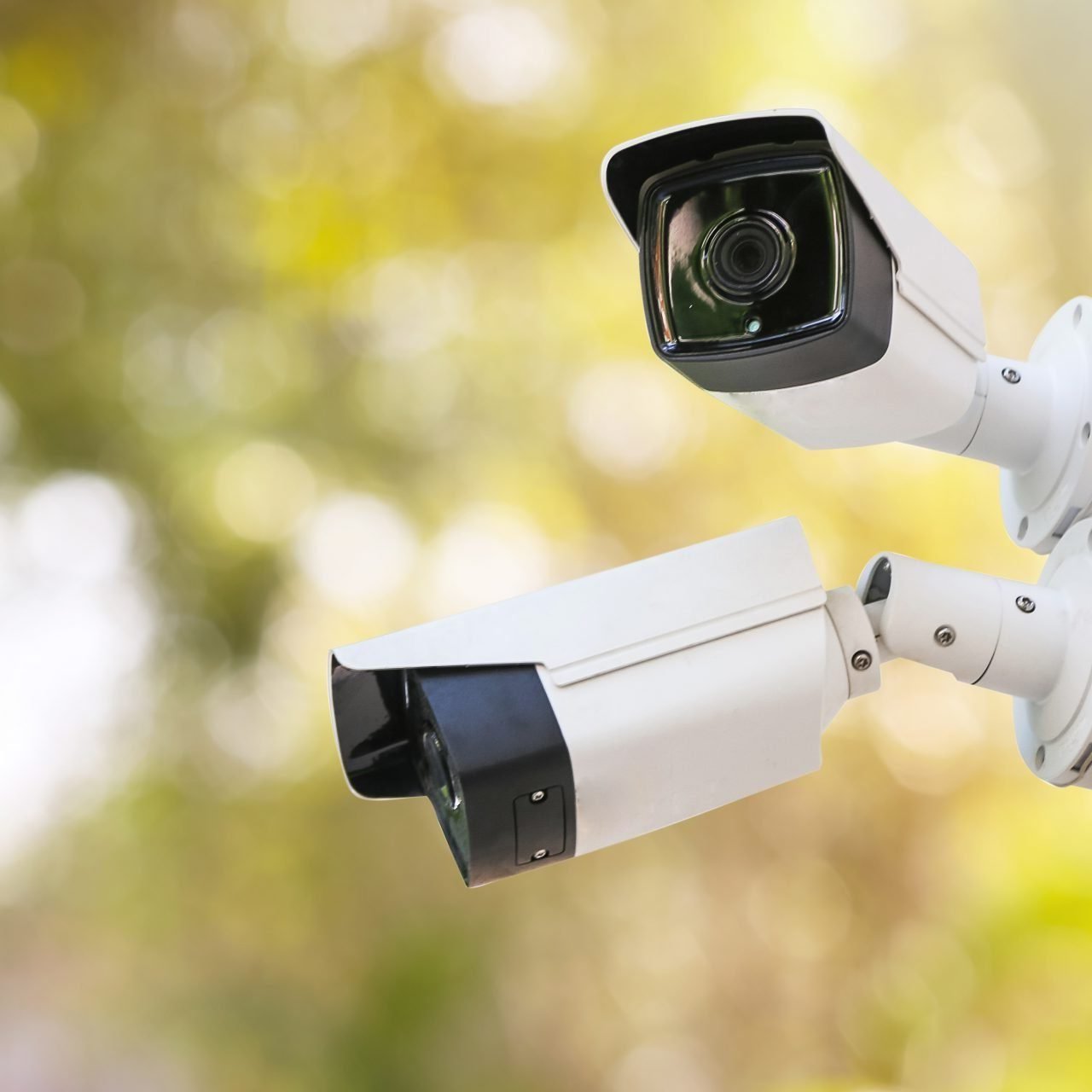
CCTV Spring Hill businesses install is usually constrained before it is designed. The footpath falls away from the door, so a camera at a normal height is looking at the wrong plane. The facade has nothing anyone is willing to drill into. The side path and the rear yard are where somebody would actually come in, and nothing covers them. By early evening the street is quiet, so a recording is not corroborating evidence — it is the only evidence there is.
Access Alarms designs around those limits rather than past them: angle and height worked out for the specific doorway, a legitimate fixing point found rather than the convenient one taken, and the result checked on the recorded stream instead of the live view. Our Eagle Farm office is close enough that coming back to verify coverage is routine, and we service and take over camera systems other companies installed.
Why Camera Placement Decides Everything in Spring Hill
Sloping footpaths put faces outside the frame
A fall across the frontage changes the geometry more than people expect. Mounted at the usual height on the high side of a door, the lens looks down and catches the top of a head. On the low side it looks up into the sky behind the approach. Add two or three entry steps and a face can sit above or below the frame for the whole approach, appearing only at the instant someone reaches the handle. The remedy is a measured angle and height for that doorway, not a better camera.
A heritage facade offers very few fixings
On an original frontage the mounting problem dominates the optical one. What is available may be painted timber you will not perforate, render that spalls, decorative work nobody will authorise touching, or a parapet that puts the camera far too high. Whether a given element may be fixed to at all depends on the building's protections, and that is the owner's question and the relevant authority's, before anyone brings a drill.
After-hours quiet means nobody sees the incident
Once the last appointment has left, there may be nobody in the building and nobody passing. An event at the rear at eight in the evening is quite likely to be witnessed by no one at all. That changes what the footage has to do: it must establish identity on its own, not merely confirm an account somebody else gave. So coverage is designed at pinch points, where a person has to pass close to the lens, rather than as a wide view of an empty yard.
Visitors and confidential material sit a metre apart
In a small suite the counter, the waiting chairs, the printer and an open file are all within a couple of metres of each other. A camera framed to identify whoever is at the counter can just as easily record a document, a screen or a conversation nobody intended to capture. Framing discipline is the fix: the approach and the counter face, not the staff side, with the recorded image checked for what is actually legible.
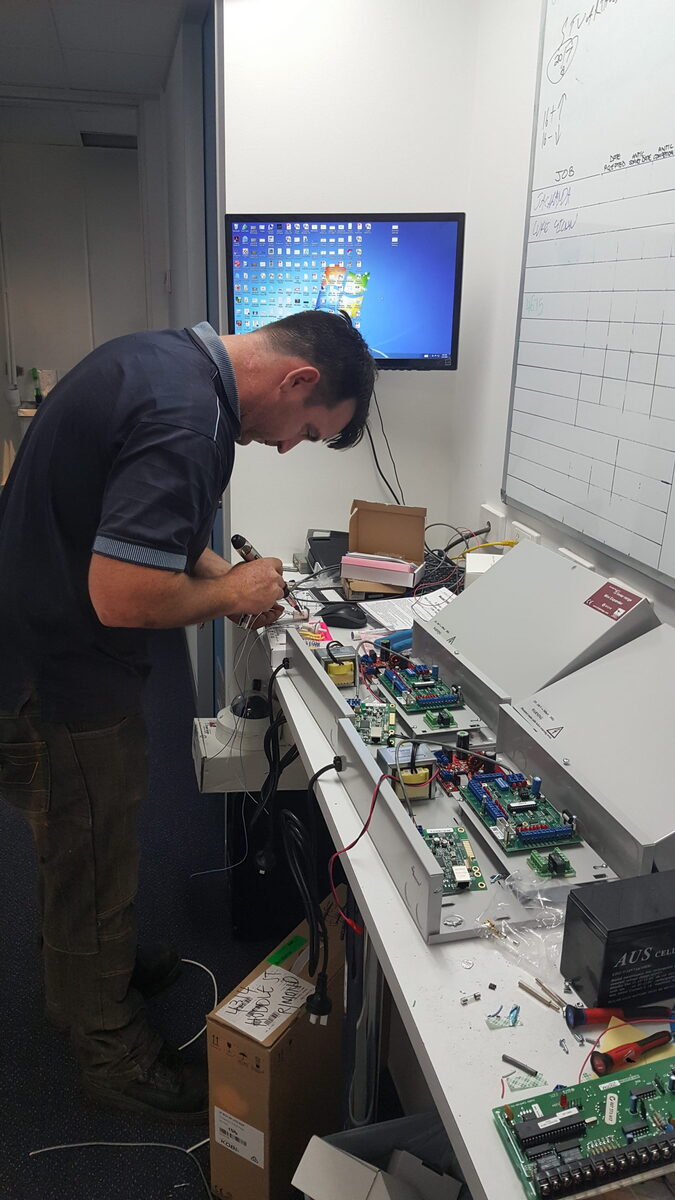
Since 2006
Why Spring Hill Operators Choose Access Alarms for CCTV
We have installed and serviced camera systems across Brisbane for close to two decades, and the part of the job we take most seriously is verification. Before handover we walk every approach, from both directions, at the time of day the light is worst, and review the recording rather than the monitor — because the recorded stream is what you will hand to somebody later, and it is not always what the screen showed. We also take over and service systems other companies installed, which on an inherited setup means checking that every camera is genuinely recording, what the real retention period is, whether each view still matches what was intended, and whether an export can actually be produced. Cameras can also be reached remotely, and we publish a Hik-Connect guide covering that for the platforms we commonly fit.
- If someone stood at your door tonight, would the recording show a face or the top of a head?
- Is anything at all covering your side path, rear door or under-house entry?
- How many days of footage do you actually hold right now — not how many you were told?
- Has anyone produced and opened an export from your system since it was installed?
We own the coverage, the image quality, the retention and the export path. What may be recorded, who may view it and how long it is kept against your own obligations is a matter for the OAIC or your own adviser.
Common CCTV Problems We Solve in Spring Hill
The only clear view the camera has is of the footpath
Why it happens
The mounting point was chosen for the fixing, not the view. On a sloping frontage with almost no legitimate fixing points, the easy bracket is nearly always the one that ends up aiming along the street.
Why it matters
You can establish that somebody walked past. You cannot establish who came up the steps and stood at your door, which is the single question anyone will ever ask of the footage. Worse, the system reads as working, so nobody revisits it until the day it is needed and the answer is a shoulder and a cap brim.
What we do
We fix the view first and then solve the mounting — an internal position shooting through glass, a soffit, a non-original awning or canopy, a redundant penetration from an earlier fitting. Candidate positions are shown to you as images before anything is drilled, so the decision is made on what the camera sees.
Nothing covers the rear yard or the side path down the boundary
Why it happens
Budget goes to the frontage because that is the part of the building the business looks at every day. The side path, the rear door onto a parking space and the under-house entry on the low side are out of sight, so they get deferred.
Why it matters
The unobserved approach is the one that gets used, precisely because it cannot be seen from the street. Combine that with an address nobody is passing after six and you have the likeliest entry point and the least likely witness in the same place. These are also the approaches where a converted building has its oldest, lightest doors.
What we do
We cover the approaches as a set rather than the frontage alone, siting cameras where a path narrows, turns or passes a gate so a person must come close to the lens. Lighting is specified with it — a small, well-aimed fixture beats a brighter camera — and aimed to avoid carrying into a neighbour's window.
The footage cannot identify the person who stood at the counter
Why it happens
One wide camera in a ceiling corner, covering a small room from above at a shallow angle. It looks like sensible value for a single room and it is how most small suites are fitted out.
Why it matters
A high, wide view returns a hat and a shoulder. It will not support an identification, and in a small premises the counter visit is frequently the entire event — there is no car park, no lobby and no second camera to fall back on. Staff also tend to assume they are covered, and behave accordingly.
What we do
We add a camera dedicated to the approach and the counter face at close to eye level, with the field of view kept deliberately off the staff side, off screens and off paperwork. Then we test it with a person walking in, and read the recorded frame rather than trusting the specification.
The system was installed years ago and nobody has checked it since
Why it happens
Cameras are treated as a set-and-forget purchase. Nothing visibly fails, the indicator lights stay on, and so nothing ever prompts anyone to look behind the recorder.
Why it matters
Drives fill or fail, a channel silently stops recording, a camera drifts off its view or loses focus, and retention quietly shortens as the cameras see more motion. Every one of those is discovered on the day footage is wanted, which is the one day it cannot be fixed. An inherited system from a previous tenant is the highest-risk version of this.
What we do
We check inherited and ageing systems properly: every channel recording, the measured retention period, whether each recorded view still matches its intended view, and whether an export can be produced and opened elsewhere. Findings go to you in writing, then the system goes on a service schedule.
What We Design, Install and Support for Spring Hill Cameras
Commercial CCTV
Camera systems designed around the approaches and sightlines a specific building actually has.
Commercial CCTVCamera system upgrades
Digital cameras on existing cable where the cable allows it, which avoids the most disruptive work.
Security system upgradesCoverage and recording checks
Scheduled verification that every channel records, retention holds and an export can still be produced.
Security system servicingAlarms alongside cameras
Detection that brings a response, paired with cameras that explain afterwards what the response found.
Commercial alarm systemsAnalogue to digital
A plain comparison of what changes in image quality and in what you can do with the footage.
Analogue vs digital CCTVHave somebody check what your cameras record
Coverage, retention and export are all things that can be measured rather than assumed. On most small premises it takes under an hour to find out where you stand.
You get the findings in writing, whoever installed the system originally.
Commercial security specialist since 2006
We design, install, monitor and service commercial security across Brisbane, and we take over systems other companies installed.
Spring Hill CCTV: Frequently Asked Questions
Where can cameras go on a heritage frontage?
How do you cover side and rear access on a sloping block?
How long should footage be kept?
What can and cannot be recorded in a waiting area?
What is involved in upgrading an older camera system?
Spring Hill Service Area
Access Alarms for Spring Hill
- Business
- Access Alarms QLD Pty Ltd
- Phone
- 1300 049 969
- info@accessalarms.com.au
- Office
- 2/789 Kingsford Smith Drive, Eagle Farm QLD 4009
- Hours
- Mon - Fri: 8:30am - 5:00pm
Explore More CCTV and Security Options
Service areas
Request a Security Quote in Spring Hill
Tell us about your property in Spring Hill and we'll recommend the right system. Free quote, no obligation.