CCTV Bowen Hills
Outdoor sites are where camera systems quietly fail — too wide, too dark, too dirty to identify anyone.
since
Monitoring
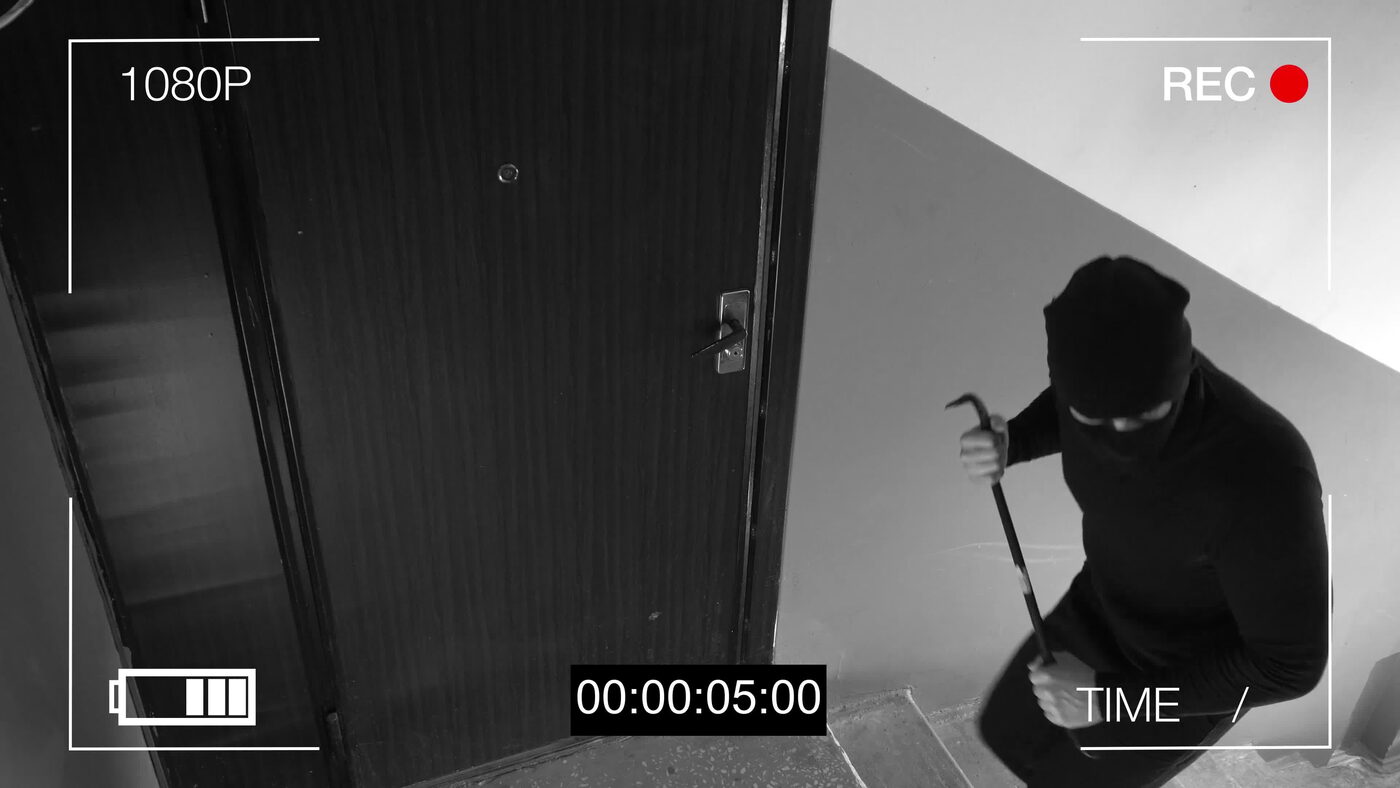
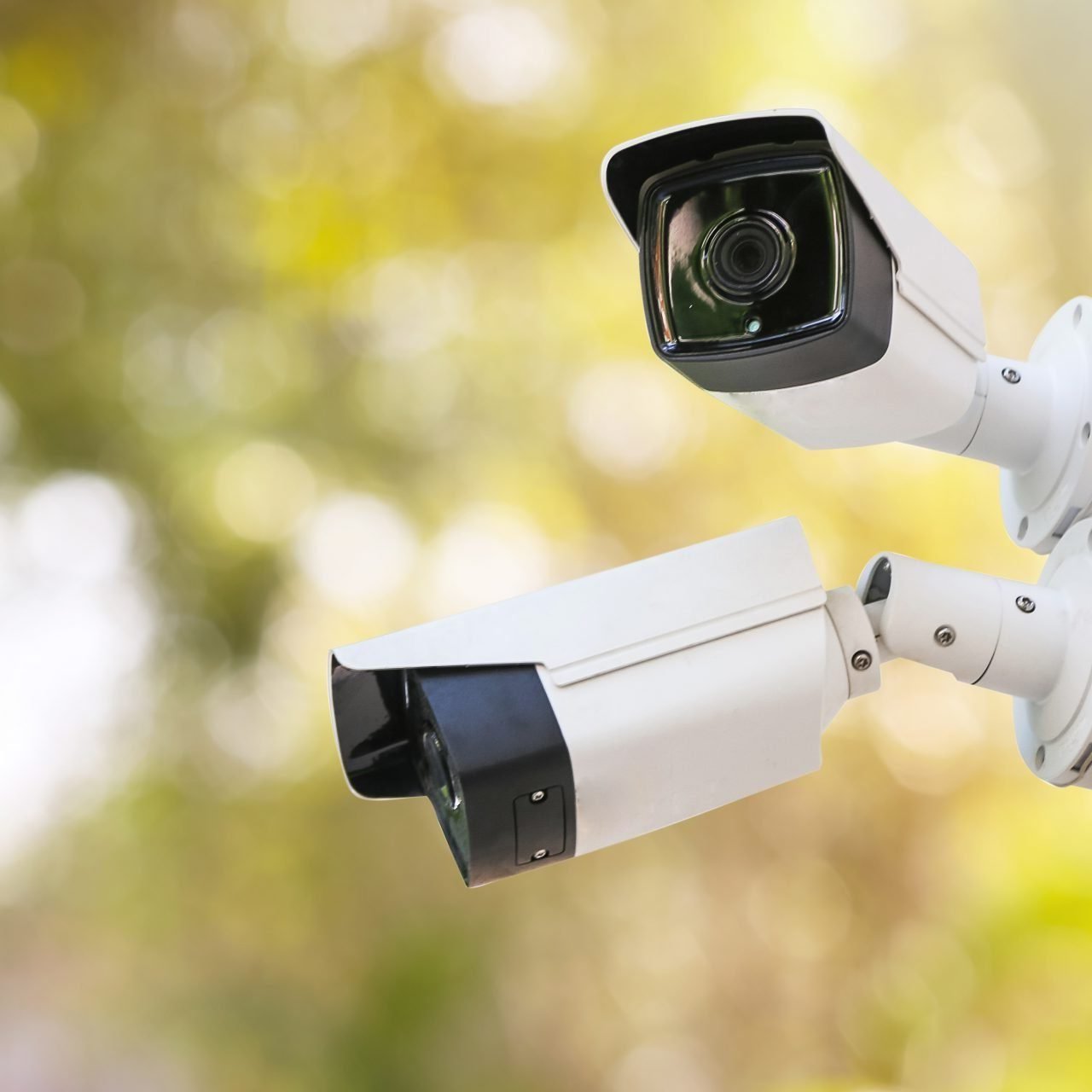
Most disappointing camera footage was recorded by a working camera. It simply could not resolve a face at the distance it was asked to, or the floodlight behind it washed the frame out after dark, or a season of dust and webs had turned the image into a grey blur. On the wide, open sites around Bowen Hills — yards, truck aprons, long car parks, vehicle gates between warehouse rows — that gap between “recording” and “useful” is where almost every problem lives.
CCTV in Bowen Hills has to be designed around distance, light and weather rather than camera count. Access Alarms installs, services and upgrades camera systems across Brisbane, with technicians working this area out of Eagle Farm, only a few minutes away. We will tell you before we install what each camera will and will not be able to identify, and we would rather place four cameras where they resolve detail than eight that produce footage nobody can use.
Why CCTV Needs a Different Approach on Bowen Hills Sites
Long sightlines are what cameras handle worst
Industrial yards and large car parks give you distances no indoor space does — fifty, eighty, a hundred metres from a sensible mounting point to the far fence. Resolution does not stretch to fill that. A person at the far end of a yard occupies so few pixels that the footage can confirm somebody was there and nothing else: not who, not what they carried, not which way they went.
At a vehicle gate you need two different pictures
A gate is the one place almost every incident passes through, and it needs both the plate and the person. Those are genuinely separate shots. A plate wants a tight, low, square-on view at a known stopping point, often with a shutter speed that freezes a moving vehicle and handles headlight glare. A driver's face wants a higher angle into the cab, where a windscreen reflection and a sun visor are working against you. One camera on a pole trying to do both reliably does neither.
Lighting decides what the camera can see, not the camera
Yards are lit for safe movement, which is not the same as lit for identification. Floodlights throw hard pools with deep shadow between them, and overnight the areas nobody walks through are the darkest. Worse, lighting aimed back towards a camera — or the camera's own infrared bouncing off a nearby wall, shutter or rain — closes the iris and leaves you with a bright haze and a silhouette. Camera positions and light positions have to be worked out together, or one will defeat the other.
Outdoor housings degrade, and the image goes with them
Brisbane weather, yard dust, diesel film, cobwebs and insects all land on the one surface the camera depends on. It happens slowly, so nobody notices: the image softens over a season, infrared begins reflecting off webs across the lens, and a sealed housing that has lost its gasket fogs from the inside. Mounts loosen in the wind and the view drifts off the gate. By the time footage is needed, the system has been recording a gradually worsening picture for months and no one knew.
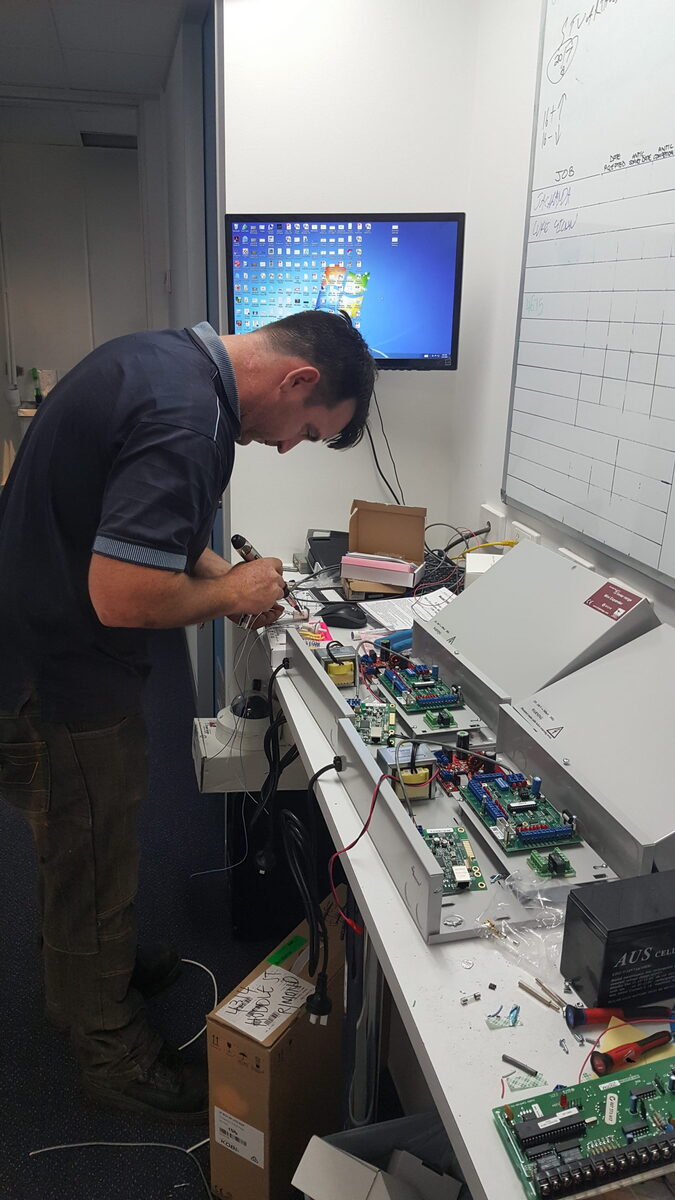
Since 2006
Why Bowen Hills Operators Choose Access Alarms for CCTV
We have been installing and maintaining camera systems in Brisbane for a long time, and most of what we have learned is about expectations rather than equipment. A camera system is worth having when it answers a specific question — who came through the gate at 4:40am, which vehicle reversed into the roller door, whether the trailer left with a driver who had authority to take it. So we start from the questions you need answered, work out where a lens has to sit and what it has to resolve to answer them, and tell you where your site simply will not allow it. Our camera work also ties into alarm detection and gate control, so a camera can be the thing that tells you what an alert actually was.
- If a vehicle left your yard tonight without authority, could you read its plate from the footage?
- When did somebody last physically look at every camera view, rather than check that the recorder was online?
- Do you know how many days of footage you currently keep, and what happens on day one after that?
- Which parts of your boundary have no camera on them at all — and can you name them without walking outside?
We design, install, maintain and support the camera system itself. How long you keep footage, who may view it, and how you answer a request for a copy are your decisions as the operator of the system — we will build what you need to act on them, and point you to proper advice where the question is a legal one.
Common CCTV Problems We Solve on Bowen Hills Sites
One wide camera is expected to cover an entire yard
Why it happens
It is the intuitive way to buy cameras: find the highest corner, fit the widest lens, and the whole yard appears in frame. The commissioning view looks impressive, and in daylight with a person standing mid-frame it seems to work. Budget pressure pushes the same way, because one camera covering everything reads as efficient.
Why it matters
A wide lens spreads its pixels across the whole scene, so detail at the edges and the far end collapses to nothing. You end up with excellent evidence that an event occurred and no ability to say who was involved — which is the one thing an insurer, an investigator or a disciplinary process needs. Sites often discover this only when they first pull footage in anger, months or years after paying for the system.
What we do
We separate overview from identification. One camera can keep the wide context — movement, direction, timing — while identification cameras are placed tight on the handful of points a person must pass through: the gate, the shutter, the yard door, the ramp. We calculate the pixel density across the distance before mounting anything, and we show you sample footage from your own site at your own distances so the expectation is set in advance.
The gate camera captures the truck beautifully and the driver not at all
Why it happens
The camera was positioned for the obvious large target. A vehicle is big, slow and brightly lit, so it fills the frame and looks like success. The driver is behind glass, higher or lower than the lens, often in shadow under a visor, and nobody tested the view with somebody actually sitting in a cab.
Why it matters
Vehicles are rarely the question. When a load goes missing, a gate is rammed or a trailer is taken, the useful fact is which person was driving — and a registration plate only tells you about a vehicle, which may be stolen, borrowed or on a legitimate job for somebody else. Without a face, your footage proves a truck was present and leaves every human question open.
What we do
We treat the gate as two shots. A plate camera goes low, square-on and tight to a defined stopping point, set up to cope with movement and headlights. A separate camera is angled into the cab window from the side the driver sits on, at a height that clears the dash and avoids the worst of the windscreen reflection. Both are commissioned with a vehicle and a person actually in place, not from the ground.
The cameras are blinded after dark by the site's own lighting
Why it happens
Floodlights and cameras are usually installed by different people at different times, each ignoring the other. A light gets added to fix a dark corner and ends up in a camera's field of view. Infrared illuminators sit alongside the lens, so anything close and pale — a wall, a shutter, a post, falling rain — bounces light straight back into it.
Why it matters
A bright source in frame makes the camera expose for the light, so everything around it goes black and anyone walking in front of it becomes an unidentifiable silhouette. Infrared bounce produces an evenly washed-out image that looks like fog. Both failures appear only at night, which is when the footage matters most and when nobody is on site to see that the view has become useless.
What we do
We commission at night as well as in daylight, because a daytime handover tells you very little. Fixtures that glare into a lens get re-aimed or shielded, and cameras are repositioned so light falls across a scene rather than into the glass. Where infrared is bouncing, we move the illumination away from the camera body or switch to external illuminators. We will also tell you plainly where the honest answer is a light in a different place rather than a better camera.
Nobody has cleaned a housing in two years and the footage has quietly gone soft
Why it happens
Cameras are installed out of reach so they cannot be tampered with, which also puts them out of reach for cleaning. No one owns the task. The recorder reports every camera as online, so the only dashboard anybody looks at says the system is healthy while the actual images get worse week by week.
Why it matters
Degradation is gradual and invisible without a before-and-after, so staff adjust to a worse picture without registering it. Dust and diesel film soften detail, a web across the lens reflects infrared and whites out the night view entirely, and a failed housing seal lets condensation in permanently. A camera that was adequate for identification at install can slip below useful within a year, and you only find out on the day you need it.
What we do
We put the cameras on a scheduled service: housings and lens covers cleaned, seals and glands checked, mounts retightened, aim verified against the commissioning reference images, and night views reviewed on site. You get a report naming each camera, what was done, and anything that has drifted or is failing. If you are inheriting a system of unknown age, that same inspection is the sensible first step before deciding what to replace.
What We Design, Install and Support for Bowen Hills CCTV
Yard and perimeter cameras
Overview and identification coverage designed for real distances, with the resolvable range worked out before we mount anything.
Commercial CCTVVehicle gate and plate coverage
Separate plate and driver views at a defined stopping point, commissioned with a vehicle and a person in place.
Gate camera designCamera servicing and cleaning
Scheduled cleaning, seal checks, aim verification and a night review, with a written report per camera.
Security system servicingUpgrades and analogue replacement
Reuse the cabling and infrastructure worth keeping, and replace only the cameras that cannot do the job.
System upgradesCameras tied to detection
Link camera views to alarm zones and gates, so an overnight alert comes with footage of what caused it.
Commercial alarmsFind out what your cameras can actually resolve
We will walk your site, look at the views you already have on the screen you already have, and tell you which of them could identify a person and which could not. That conversation is often more valuable than a quote, and it is the only honest basis for deciding what to spend.
If you are weighing up an older installation, our guide to analogue versus digital CCTV and when to upgrade covers what is worth keeping.
Commercial security specialist since 2006
We design, install, monitor and service commercial security across Brisbane, and we take over systems other companies installed.
Bowen Hills CCTV: Frequently Asked Questions
How many cameras does a large yard actually need?
Can we reliably capture number plates at the gate?
What do we need for usable footage overnight?
How often should outdoor cameras be serviced?
How do we check coverage before we have to rely on it?
Bowen Hills Service Area
Access Alarms for Bowen Hills
- Business
- Access Alarms QLD Pty Ltd
- Phone
- 1300 049 969
- info@accessalarms.com.au
- Office
- 2/789 Kingsford Smith Drive, Eagle Farm QLD 4009
- Hours
- Mon - Fri: 8:30am - 5:00pm
Explore More CCTV and Camera Services
Service areas
Request a Security Quote in Bowen Hills
Tell us about your property in Bowen Hills and we'll recommend the right system. Free quote, no obligation.