Warehouse Security Systems Brisbane
Perimeter, yard, dock and building coverage, designed from an Eagle Farm base
since
Monitoring
Brisbane City Council’s Pinkenba-Eagle Farm neighbourhood plan code, in its 18 September 2015 version, names Kingsford Smith Drive as a road whose function must not be compromised, in a precinct set aside for industry and suited on its larger lots to air freight and logistics buildings. That is 2015 wording; the code has been amended since. It is also the street Access Alarms works from. Warehouse security here is designed around what that precinct does: freight on a timetable, large buildings, vehicles at the dock after hours. We specify detection at the boundary, alarm zones on docks and roller doors, and cameras rated for dust and low light. AS/NZS 2201.1:2007 requires a documented risk assessment before a system’s class is set; ask any installer for it.
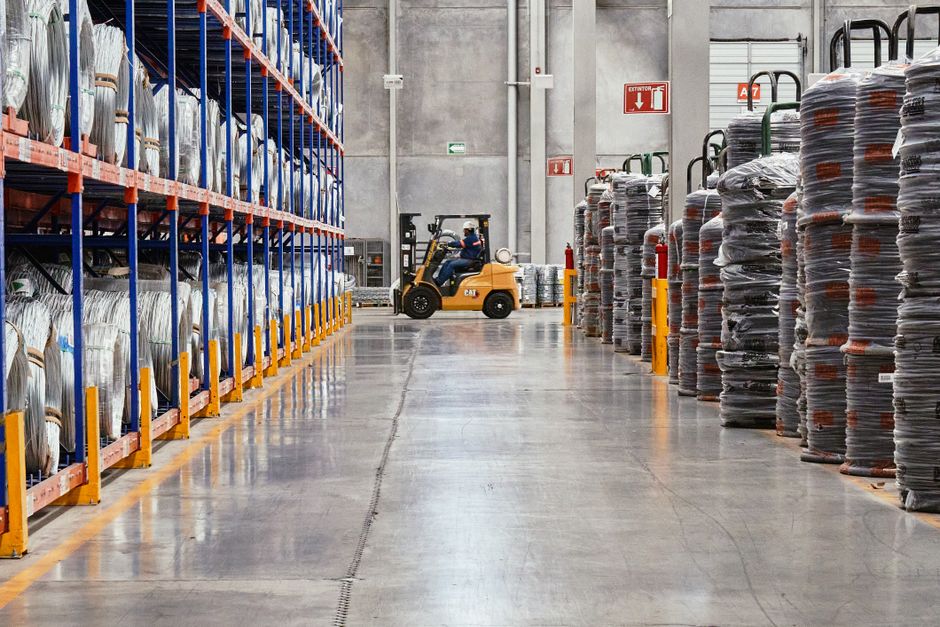
Walk the boundary of a Brisbane distribution centre before dawn and the exposure is obvious: a fence line you cannot see the far end of, a hardstand full of trailers, a row of roller doors, and one storeperson somewhere inside a building where shouting for help reaches nobody. A standard commercial alarm was never drawn for that kind of site. Loading docks are high-traffic, high-risk access points where vehicles, contractors and deliveries arrive at irregular hours, which is exactly when a system built around an office front door has nothing useful to say. This page covers what changes when the site is industrial: detection at the perimeter and across the yard, cameras specified for dust and darkness, duress hardware for staff working alone, and the documented risk assessment that AS/NZS 2201.1 puts in front of the design.
Why Warehouse Security Systems Matter in Brisbane
Council's own words are more specific than 'industrial area'. In the Pinkenba-Eagle Farm neighbourhood plan code as published on 18 September 2015, the precinct is intended to accommodate low impact and medium impact industries, and larger lots in it suit large buildings accommodating uses such as air freight and logistics services for time-sensitive goods. That code has since been amended, so read it as 2015 wording. At city scale, Council describes Australia TradeCoast, home to the Port of Brisbane and Brisbane Airport, as Brisbane's global trade hub, and forecasts industry contributing more than $22 billion to gross regional product and 13% of the workforce by 2041. The Port of Brisbane reports a record 1.62 million TEU and 34.9 million tonnes of trade in FY25. Freight at that volume fills the distribution centres in the surrounding corridors. Where goods move to a deadline, vehicle movements tend not to stop at five o'clock - a general observation about such sites, not something the planning code says.
Since 2006
Why Brisbane Businesses Choose Access Alarms
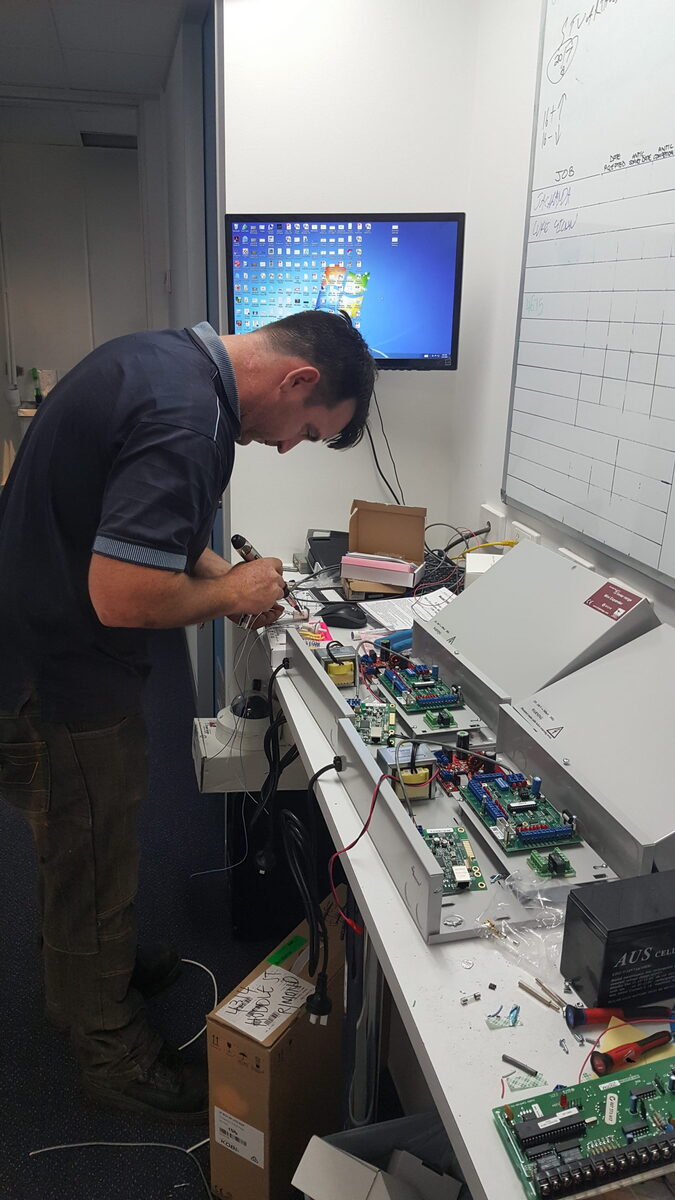
Access Alarms has traded since December 2006 and works from an office on Kingsford Smith Drive, Eagle Farm, inside the precinct Brisbane City Council's Pinkenba-Eagle Farm plan code, in its 18 September 2015 version, sets aside for industry and identifies as suited to air freight and logistics buildings on its larger lots. On its own warehouse security page the business names three sector clients: Moco Food Services, Followmont Transport and Universal Distribution Centre. Read that for exactly what it is. It shows a publicly acknowledged commercial relationship with food distribution and transport operators, not an account of what was installed at any of their sites; no floor area, camera count or dock count is published for any of them, and none is claimed here. The business also runs 24/7 alarm monitoring, takes over and services systems other companies installed, and coordinates multi-site security from one point of contact. What AS/NZS 2201.1:2007 asks for is a risk assessment conducted and documented by the installer with the client, which is a fair thing to require of anyone quoting; no installation here is claimed as certified to any class of that standard.
AS/NZS 2201.1:2007 puts a documented risk assessment before the design, conducted by the installer with the client and used to set the number, type and placement of detection devices against the agreed risk profile. On a warehouse, that is the document worth insisting on before you read any quote, because it is where the fence line, the gates, the hardstand, each dock and roller door, and the areas whose contents carry a different consequence of loss stop being one zone. Ask us for it, or ask whoever quotes next. Book a technician, or call the office on Kingsford Smith Drive, Eagle Farm.
Visit Our Eagle Farm Office
Access Alarms
- Business
- Access Alarms QLD Pty Ltd
- Phone
- 1300 049 969
- info@accessalarms.com.au
- Office
- 2/789 Kingsford Smith Drive, Eagle Farm QLD 4009
- Hours
- Mon - Fri: 8:30am - 5:00pm
Common Security Problems We Solve
The alarm protects the building, but nothing detects anyone in the yard
Why it happens
The system was scoped like a small-business or office install, so detection sits on internal doors and indoor PIRs while the fence line, hardstand and dock apron carry no devices at all.
Why it matters
The first activation happens after entry, not before it, so the response begins with an intruder already inside among stock and vehicles.
What we do
Access Alarms specifies perimeter beam detectors and fence-mounted sensors, external PIR detectors rated for outdoor and dusty environments, alarm-triggered lighting, and alarm zones set for loading docks and roller doors, on the basis that security starts at the boundary.
Loading docks are busiest when the light is worst
Why it happens
Docks are high-traffic, high-risk access points where vehicles, contractors and deliveries arrive at irregular hours, including well outside office hours.
Why it matters
Mixed lighting, headlight glare and unlit apron edges produce footage that shows movement but cannot support any follow-up.
What we do
Cameras with infrared and low-light capability are installed specifically for loading docks and external areas, recording 24 hours a day regardless of lighting conditions, with wide-angle coverage of yards, car parks and loading zones.
Cameras chosen for an office fail in a warehouse
Why it happens
Dust, forklift traffic, wash-down areas and open docks put moisture and particulate into housings that were never rated for it.
Why it matters
You lose the camera and, worse, you lose it quietly, so a blind spot sits over a dock for weeks before anyone notices.
What we do
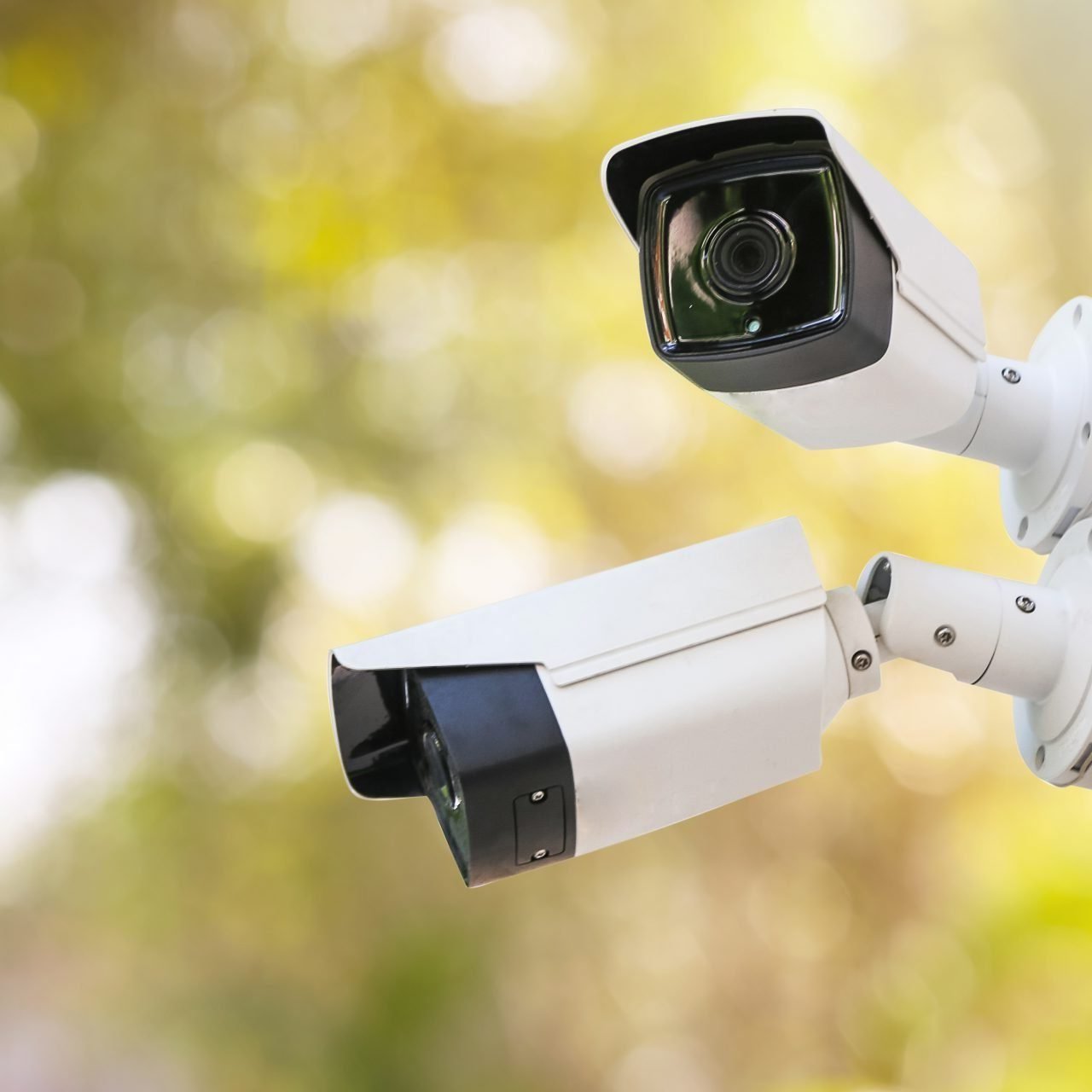
The published industrial specification is IP66 or IP67-rated housings for wet or dusty areas, with PTZ cameras and wide-angle fixed lenses chosen for large floor areas rather than corridors.
Staff open up before dawn and close after dark on their own
Why it happens
Pick, dispatch and receival schedules put single workers on a large site at hours when nobody else is there. Under section 48 of the Work Health and Safety Regulation 2011 (Qld), remote or isolated work means work isolated from the assistance of other persons because of location, time or the nature of the work, so time and task can make a worker isolated even six kilometres from the CBD.
Why it matters
That regulation requires a person conducting a business or undertaking to provide a system of work that includes effective communication with the worker, and regulator guidance lists duress alarms and personal security systems among the control options a business may consider.
What we do
Access Alarms states duress buttons can be installed at key points around a warehouse, and that pressing one triggers a silent alarm to the monitoring centre without alerting the intruder. Section 48 mandates effective communication rather than any particular device, so the hardware supports your own risk assessment and WorkSafe Queensland guidance; it does not settle your duty.
The system came with the building and nobody knows who installed it
Why it happens
A shed changes occupier and the installer moves on, so the panel in the dispatch office and the cameras over the dock are inherited along with the racking, often as older analogue equipment aimed at a floor layout that has since been re-racked.
Why it matters
Nobody can say whether the dock camera still sees the apron or just the end of a racking run added later, and that unknown stalls the decision on the whole site.
What we do
Access Alarms takes over, services and upgrades systems other companies installed, and states that in most cases an existing system can be serviced, repaired and upgraded. It publishes its own guide on when analogue CCTV is worth converting to digital.
A second distribution centre means a second installer and a second platform
Why it happens
Capacity gets added shed by shed - an overflow store here, a cross-dock there - and each one is fitted out by whoever was available at the time, so no two yards end up covered the same way.
Why it matters
Nobody holds a single view of the estate, so a beam tripped on the fence line of the overflow shed at 2am is handled quite differently from the same activation at the main DC.
What we do
For organisations with sites across Australia, Access Alarms states it coordinates security from one point of contact and designs and installs across multiple sites.
What We Design, Install and Support
Perimeter and Yard Detection
Intrusion detection at the site boundary and across open yard, hardstand and car park areas.
On an industrial block the first detectable event should happen at the fence, not at the roller door. Access Alarms specifies perimeter beam detectors and fence-mounted sensors, external PIR detectors rated for outdoor and dusty environments, and alarm-triggered lighting, with CCTV giving wide-angle coverage of yards, car parks and loading zones.
Discuss perimeter coverageLoading Dock and External CCTV
Cameras, lenses and recording specified for external and dock areas.
Docks work hardest when the light is worst, so the published specification for these areas is infrared and low-light cameras recording 24 hours a day regardless of lighting conditions, with wide-angle fixed lenses and PTZ options for large open areas. Housings are IP66 or IP67 rated for wet or dusty areas, which is what a wash-down bay and constant forklift traffic actually demand.
Review dock camera coverageWarehouse Alarm Design and Zoning
Detection device selection and alarm zoning across a whole industrial site.
AS/NZS 2201.1:2007 accepts that different areas within a single site may sit at different classes, provided those spaces are monitored separately and separately comply. On a warehouse that usually means the dispatch office, a high-value stock cage and the general floor are handled as distinct zones, alongside the alarm zones set for loading docks and roller doors.
Book a technicianDuress Buttons for Warehouse Staff
Fixed duress devices installed at nominated points and signalled to a monitoring centre.
Access Alarms states duress buttons can be installed at key points around a warehouse and that pressing one triggers a silent alarm to the monitoring centre without alerting the intruder. Queensland's WHS Regulation section 48 requires a business to provide a system of work including effective communication with a worker doing remote or isolated work, and regulator guidance lists duress alarms among the control options available; the regulation does not mandate any particular device.
Talk about lone-worker coverLicence Plate Recognition at Gates
Cameras configured to capture vehicle plates at entry and exit points.
Licence plate recognition cameras sit in the capability set the business installs on industrial sites. On a yard where vehicles, contractors and deliveries arrive at irregular hours, plates captured at the gate mean vehicle movements are recorded rather than recalled.
Ask about gate cameras24/7 Alarm Monitoring
Connection of the site alarm system to a monitoring centre operating around the clock.
Access Alarms connects alarm systems to a 24/7 monitoring centre. That matters most on a site that sits empty between the last dispatch run and the first pick of the morning, where a boundary activation needs a person receiving it rather than an app notification nobody is awake to see.
Ask about monitoringSystem Takeover, Servicing and Upgrades
Assessment, servicing and upgrade of an existing system installed by another company.
An industrial site rarely arrives empty of security. More often there is a panel in the dispatch office and a few cameras pointed at the dock, sometimes still analogue, positioned for a racking layout that has changed since. Access Alarms takes over, services and upgrades systems other companies installed, and states that in most cases it can service, repair and upgrade what is already there, so the question becomes which dock, gate and yard positions are uncovered now rather than whether the lot comes out. Its own guide sets out when analogue CCTV is worth converting to digital.
Book a system assessmentMulti-Site Coordination
One point of contact for security across several sites.
A distribution estate is rarely uniform: a main DC with a full dock bank, an overflow shed taken on at short notice, and a cross-dock that only runs nights. For organisations with sites across Australia the business states it coordinates security from one point of contact and designs and installs across multiple sites, which is what stops the overflow yard being the one nobody is watching.
Discuss a multi-site briefCommercial security specialist since 2006
We design, install, monitor and service commercial security across Brisbane, and we take over systems other companies installed.
Need a security assessment for your commercial property? We'll recommend the right system.
Frequently Asked Questions
How do you secure a large warehouse perimeter?
Can cameras cover loading docks at night?
Do you install duress buttons for warehouse staff?
Is break-in genuinely a risk for industrial premises in Brisbane, or is this fear-selling?
Do we have to rip out the system the previous tenant left behind?
How many cameras does a warehouse our size need?
Can you look after more than one distribution centre?
Explore More Commercial Security
All commercial securityService areas
Sources
- Brisbane City Council, Brisbane City Plan 2014, section 7.2.16.2 Pinkenba-Eagle Farm neighbourhood plan code - version v01_03, published 18 September 2015. This is the version quoted on this page; the code has been amended since and the current version has not been checked.
- Brisbane City Council, Brisbane's central, industrial and retail precincts
- Queensland Government Statistician's Office, Crime report, Queensland, 2024-25 (Tables 3 and 33)
- Work Health and Safety Regulation 2011 (Qld), section 48 Remote or isolated work
Protect Your Business
Get a security assessment for your commercial property. Free quote, no obligation.